

Reviving Ancient Wisdom: Ashwagandha KSM-66 Elixir by Rasayanam Nutripharm
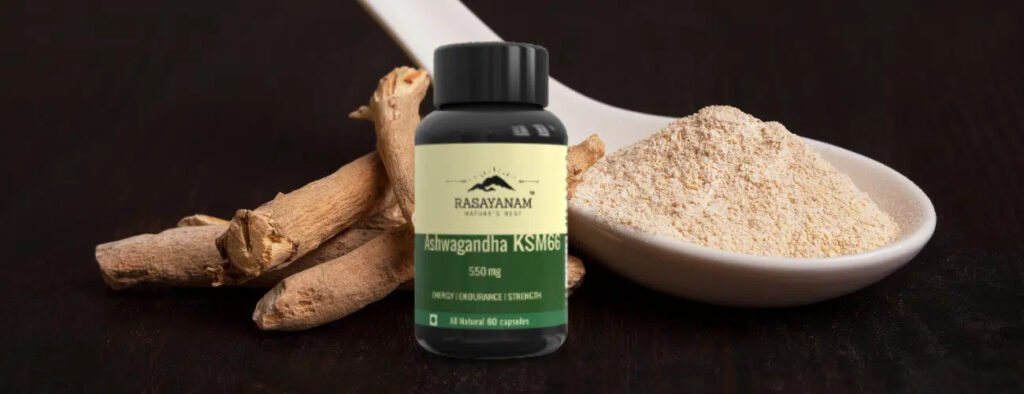
Reviving Ancient Wisdom: Ashwagandha KSM-66 Elixir by Rasayanam Nutripharm Read More »
Reviving Ancient Wisdom: Discover the ultimate Rasayanam elixir – Ashwagandha KSM-66. Unveil the power of this rejuvenating potion crafted by Rasayanam Nutripharm. Drawing from ancient traditions, Ashwagandha KSM-66 promises holistic wellness and vitality. Experience a harmonious blend of timeless wisdom and modern science, as Rasayanam Nutripharm brings forth this extraordinary elixir.
Welcome to our comprehensive guide on the remarkable world of Ashwagandha – the ancient herb that has taken the wellness market by storm. In this blog, we delve into the benefits, usage, and the best options available in India for Ashwagandha capsules and powder.
Q1. What are Ashwagandha capsules and powder?
Ans. Ashwagandha, also known as Withania somnifera, is an adaptogenic herb with a rich history in Ayurveda. It’s renowned for its potential to alleviate stress, enhance energy, and promote overall well-being. Ashwagandha is available in various forms, including capsules and powder.
Q2: What makes Ashwagandha popular in India?
Ans. Ashwagandha has been a staple in traditional Indian medicine for centuries due to its diverse health benefits. The herb is celebrated for its ability to reduce cortisol levels, boost immunity, and improve cognitive function.
Q3: Which is the best Ashwagandha brand in India?
Ans. While several reputable brands offer Ashwagandha products in India, the ‘best’ choice can vary based on personal preferences. Some well-regarded options include Rasayanam Nutripharm. It’s advisable to opt for brands that provide pure, organically sourced Ashwagandha with minimal additives.
Q4: Capsules vs. Powder – Which is better?
Ans. The choice between Ashwagandha capsules and powder depends on individual convenience and preferences. Capsules offer a convenient pre-measured dose, while powders provide versatility for consumption – be it in smoothies, teas, or other recipes.
Embark on a journey to discover the transformative potential of Ashwagandha. Whether you’re seeking stress relief, improved vitality, or better sleep, this guide will help you navigate the vast landscape of Ashwagandha products in India. Join us as we unravel the secrets of this ancient herb and its modern applications for a healthier lifestyle.
Discover the world of Ashwagandha in India, where its ancient Ayurvedic origins date back to 6000 BC. This powerful herb offers an array of benefits, including stress reduction, weight management, memory enhancement, muscle strength, cardiovascular health, and more. It even addresses sexual dysfunction, menstrual health, and joint pain.
Among its diverse forms, KSM-66 Ashwagandha stands out. Derived from the plant’s roots, it’s the most potent and effective version. Its benefits include improved male infertility, anxiety, weight loss, and memory. You can find KSM-66 in various forms like powder, pills, and capsules.
When and how to take KSM-66 Ashwagandha matters. Capsules offer ease and precision, with recommended daily amounts ranging from 300 to 500 mg. Timing varies: morning consumption energizes the day, while night use supports restful sleep. For KSM-66’s best results, regular intake for 2 months is advised.
Who should avoid KSM-66? Pregnant or breastfeeding women, those with autoimmune disorders, and individuals on certain medications. Safety is paramount, so consult a doctor to prevent potential interactions.
The history of Ashwagandha dates back to Ayurveda, where its stress-relief and wellness-promoting attributes were recognized. KSM-66’s uniqueness lies in its concentrated effects on testosterone, muscle strength, and recovery, backed by clinical studies.
These studies confirm KSM-66’s multi-faceted benefits, from reducing stress, improving cardiovascular health, and enhancing cognitive abilities to boosting sexual function, muscle strength, and overall well-being. It even extends lifespan and bolsters immunity. Moreover, KSM-66 supports perimenopausal symptoms, elderly health, and sleep quality.
However, obtaining genuine KSM-66 is crucial, as subpar products may lack the potency of root extracts. A dose of 1000 to 2000 mg is safe, but consulting a physician is recommended.
Ashwagandha’s remarkable journey in India continues, offering a treasure trove of health benefits through KSM-66, a modern marvel grounded in ancient wisdom.
Welcome to Rasayanam Nutripharm, where we delve into the wonders of Ayurveda’s gift to mankind – Ashwagandha. With origins dating back to 6000 BC, this potent herb has been revered for its numerous health benefits. Join us on a journey to discover the exceptional qualities of KSM-66 Rasayanam Ashwagandha, the pinnacle of this ancient wisdom.
Exploring Ashwagandha’s Rich Legacy
Q1: What is the history of Ashwagandha in Ayurveda?
Ancient Ayurvedic texts recognized Ashwagandha’s potential for stress relief and overall well-being. Its centuries-old legacy as an Ayurvedic remedy highlights its significance in promoting vitality and health.
Answer: Delve into Ashwagandha’s historical significance in Ayurveda and its wellness-promoting attributes.
Unveiling KSM-66 Ashwagandha’s Potency
Q2: What makes KSM-66 Ashwagandha unique?
KSM-66, derived from the roots of the Ashwagandha plant, stands as the most potent and effective form. Its concentrated effects on testosterone, muscle strength, and recovery have been clinically studied and confirmed.
Answer: Discover the exceptional attributes of KSM-66 Ashwagandha and its impact on testosterone, muscle strength, and recovery.
Harnessing the Benefits of KSM-66 Ashwagandha
Q3: How can KSM-66 Ashwagandha benefit me?
KSM-66 offers a diverse range of benefits, from reducing stress and enhancing cognitive abilities to boosting sexual function, muscle strength, and overall well-being.
Answer: Uncover the myriad benefits of KSM-66 Ashwagandha, from stress reduction to cognitive enhancement.
Ensuring Safe Consumption and Timing
Q4: How should I take KSM-66 Ashwagandha?
Learn about the optimal timing and dosage of KSM-66 Ashwagandha for different desired effects. Whether you’re aiming for energized days or restful sleep, we have you covered.
Answer: Master the art of consuming KSM-66 Ashwagandha for maximum effectiveness based on your goals.
KSM-66 Ashwagandha: 7 Things You Must Know Before Taking it
Safety First: Who Should Avoid KSM-66 Ashwagandha
Q5: Are there any contraindications for KSM-66 Ashwagandha?
Discover who should avoid KSM-66 Ashwagandha, including pregnant or breastfeeding women, individuals with autoimmune disorders, and those on specific medications. Prioritize your safety and consult a healthcare professional.
Answer: Ensure your well-being by understanding who should refrain from using KSM-66 Ashwagandha.
Join us in embracing the legacy of Ashwagandha and the modern marvel that is KSM-66. Unlock a world of wellness, strength, and vitality that bridges the gap between ancient wisdom and contemporary health needs. Explore our products and resources to embark on a journey of holistic well-being.
Unearth the benefits of KSM-66 Ashwagandha, the most potent form of this ancient Ayurvedic herb. Crafted using ancient wisdom and modern techniques, KSM-66 from Rasayanam Nutripharm is a highly bioavailable formula that can revolutionize your well-being.
Unlock a Balanced Lifestyle:
Embrace the wonders of KSM-66, extracted from Ashwagandha roots. Packed with Withanaloides, Saponins, Vitamins, and Amino Acids, KSM-66 offers stress control, cognitive enhancement, better sleep, and enhanced stamina.
Quality and Safety Assured:
Rasayanam follows Ayurvedic tradition in AYUSH Licensed & GMP certified facilities. Each batch is meticulously tested for safety, with transparent Certificates of Analysis available upon request.
Tailored for You:
Experience the magic of natural, organic, and non-GMO Ashwagandha. Our vegetarian-friendly capsules ensure maximum benefits for your balanced lifestyle.
Questions Answered:
Beneficial for All Genders: Contrary to misconceptions, Ashwagandha KSM-66 benefits women too, aiding menstrual health and overall well-being.
Weight Management Support: KSM-66 supports weight loss by enhancing stamina and mental clarity, making your fitness journey smoother.
Synergy with Shilajit: Combine Ashwagandha KSM-66 with Shilajit for amplified health and vitality benefits.
Results Delivered: While results vary, most experience positive changes in 10-15 days. Some may take up to 30 days due to unique factors.
Cautionary Notes: Consult your doctor before taking Rasayanam Ashwagandha KSM-66 if you’re pregnant, breastfeeding, have autoimmune disorders, or are on specific medications.
Unveil Wellness with KSM-66 Ashwagandha:
Let the history of Ashwagandha, rooted in Ayurveda, blend with modern innovation through KSM-66. Enhance your vitality, manage stress, and promote a balanced lifestyle with Rasayanam Nutripharm’ KSM-66 Rasayanam Ashwagandha. Transform your well-being today.
In brief, Ashwagandha, an ancient Ayurvedic herb dating back to 6000 BC, offers diverse health benefits. Notably, KSM-66 Ashwagandha, a potent root extract, is prominent. Proven scientifically, it aids in stress reduction, cognitive enhancement, muscle strength, and cardiovascular health. CO2 extraction and Ayurvedic wisdom ensure high bioavailability. AYUSH Licensed & GMP certified facilities produce it organically, suitable for vegetarians. For convenience and precision, Ashwagandha capsules are available, with doses varying from 300 mg to 500 mg daily. Effects emerge over weeks to months, with considerations for specific groups. Caution is necessary in certain cases. Trusted suppliers offer KSM-66 Ashwagandha, promoting overall health. For the best Ashwagandha capsules or best Ashwagandha powder in India, opt for reputed brands and suppliers.
KSM-66 Ashwagandha: 7 Things You Must Know Before Taking it
Reviving Ancient Wisdom: Ashwagandha KSM-66 Elixir by Rasayanam Nutripharm Read More »

Liquid biotin with collagen has emerged as a potent combination, gaining popularity for its potential impact on overall health and wellness. This article delves into the remarkable effects of this dynamic duo on various aspects of our body, from skin and hair to nails and joint health. We will explore the scientific evidence and share personal experiences, showcasing the immense potential of liquid biotin with collagen for improving our well-being.
The Impact of Liquid Biotin with Collagen on Skin Health

When it comes to skin health, the impact of liquid biotin with collagen can be transformative. Collagen, the main structural protein in the skin, provides firmness and elasticity. Users have reported smoother, more youthful-looking skin after consistent use of liquid biotin with collagen supplements.
Liquid Biotin with Collagen for Strong and Lustrous Hair

Healthy hair is a sign of vitality, and liquid biotin with collagen may play a crucial role in supporting hair health. Biotin aids in the production of keratin, a protein that forms the foundation of hair strands, while collagen provides essential amino acids. These nutrients work in harmony to promote stronger, thicker, and lustrous hair. Additionally, some individuals have found that the combination helps reduce hair breakage and supports natural hair growth.
Nail Health and Liquid Biotin with Collagen

Brittle and weak nails can be frustrating, but liquid biotin with collagen might offer a solution. Biotin contributes to the formation of healthy nail cells, while collagen’s amino acids strengthen the nail bed. Together, they can promote nail growth and minimize brittleness, leading to stronger and more resilient nails.
Supporting Joint Health with Liquid Biotin and Collagen

As we age, joint health becomes increasingly important for maintaining an active lifestyle. Liquid biotin with collagen may offer benefits in this area as well. Collagen is a vital component of cartilage, the cushioning tissue that supports joint function. By providing essential building blocks for cartilage repair, liquid biotin with collagen can contribute to joint comfort and mobility.
Liquid Biotin with Collagen for Gut Health

A healthy gut is essential for overall well-being, and both biotin and collagen can contribute to gut health. Biotin supports digestive enzyme production, aiding in the breakdown of food, while collagen can soothe and repair the gut lining. Incorporating liquid biotin with collagen into your routine may help maintain a balanced and thriving gut environment.
Cognitive Support and Liquid Biotin with Collagen

Beyond the physical benefits, liquid biotin with collagen may also have positive effects on cognitive health. Biotin plays a role in neurotransmitter synthesis, contributing to cognitive function. Collagen, rich in glycine and proline, may support brain health and memory. Together, they offer a holistic approach to promoting mental clarity and focus.
The Impact of Liquid Biotin with Collagen on Bone Health

Maintaining bone health is crucial, especially as we age. Liquid biotin with collagen might help support bone density and resilience, making it a valuable addition to bone health regimens.
Improving Muscle Strength with Liquid Biotin and Collagen
For those seeking to enhance muscle strength and performance, liquid biotin with collagen can be an ally. Collagen’s role in muscle tissue repair and biotin’s involvement in energy production create a synergistic effect, potentially leading to improved physical performance.
The Role of Liquid Biotin with Collagen in Weight Management

Weight management is a common goal, and this dynamic duo may offer support in this area. Biotin helps convert food into energy, contributing to metabolic efficiency, while collagen’s satiating properties can help curb appetite. By supporting energy utilization and promoting a feeling of fullness, liquid biotin with collagen may assist in weight management efforts.
The Impact of Liquid Biotin with Collagen on Heart Health

Collagen’s amino acids play a role in arterial health, while biotin’s involvement in energy production supports heart function. These combined effects may contribute to a healthier heart.
Liquid Biotin with Collagen for Detoxification Support

Our bodies constantly encounter toxins and free radicals, leading to oxidative stress. Liquid biotin with collagen’s antioxidant properties can aid in neutralizing free radicals and supporting detoxification processes, bolstering our body’s defense against harmful substances.
Promoting Healthy Immune Function with Liquid Biotin and Collagen

A robust immune system is vital for warding off infections and maintaining overall health. Biotin and collagen both contribute to immune function, making them valuable allies in supporting the body’s defense mechanisms.
Liquid Biotin with Collagen: Enhancing Energy Levels

Feeling fatigued? Liquid biotin with collagen can potentially help. Biotin aids in energy production, while collagen’s glycine content can promote a sense of vitality and alertness. By providing essential nutrients for energy metabolism, this duo may offer a natural energy boost.
Liquid Biotin with Collagen: Reducing Inflammation

Inflammation is linked to various health issues, and liquid biotin with collagen might help combat this problem. Collagen’s anti-inflammatory properties can work alongside biotin’s support of the immune system, creating a powerful defense against inflammation.
Choosing the Right Liquid Biotin with Collagen Supplement

When selecting a supplement, it’s essential to consider factors such as product quality, dosage, and additional ingredients. Look for reputable brands with transparent sourcing and manufacturing processes. You can directly go with Rasayanam Liquid biotin, It is 100% natural and safe.
Incorporating Liquid Biotin with Collagen into Your Daily Routine

To experience the full benefits of liquid biotin with collagen, consistency is key. Consider incorporating it into your daily routine by mixing it with your favorite beverage or adding it to smoothies. With regular use, you may begin to notice positive changes in your overall health and wellness.
Ans: Yes, collagen’s structural support and biotin’s skin health benefits can contribute to improved skin elasticity and the reduction of fine lines and wrinkles.
https://rasayanam.in/collagen-benefits-for-skin/
Ans: Liquid biotin with collagen supplements typically contain collagen derived from animal sources, making them unsuitable for vegetarians and vegans. However, there are plant-based collagen alternatives available in the form of supplements that may be more suitable for those following a plant-based lifestyle.
Ans: Yes, the combination of collagen and biotin may contribute to joint health and comfort. Collagen provides essential building blocks for cartilage repair, while biotin supports overall joint function, potentially alleviating joint discomfort.
Ans: Liquid biotin with collagen supplements is generally considered safe for most individuals when taken as directed. However, some people may experience mild digestive discomfort or allergic reactions. It’s crucial to follow the recommended dosage and consult with a healthcare professional if you have any underlying health conditions or concerns.
Liquid Biotin with Collagen: The Dynamic Duo for Gorgeous Skin Read More »

Ashwagandha, a renowned medicinal herb, is celebrated for its diverse health benefits. Among the array of ashwagandha products available, Ashwagandha KSM-66 stands out as a potent and extensively researched extract.
This age-old medical herb has become well-known due to its apparent health advantages, which include lowered stress levels, enhanced cognitive performance, and immune system support.
In this blog, we’ll explore the remarkable benefits of Ashwagandha and the differences between Ashwagandha KSM-66 and other forms to help you make an informed choice.
Withania somnifera, the scientific name for ashwagandha, is a popular plant in conventional Ayurvedic treatment. Its adaptogenic properties make it valuable for combating stress and promoting overall well-being. The plant is used to make herbal treatments, both from its leaves and roots.
Ashwagandha, a versatile herb, comes in two primary forms: powdered and extracts.
Powdered ashwagandha is ground dried roots or leaves used in tea capsules, but its potency may vary, whereas extracts from ashwagandha offer concentrated potency. Now, learn about these types of ashwagandha in detail:-
This form involves grinding the dried roots or leaves of the Ashwagandha plant into a fine powder. It’s commonly used in traditional preparations like teas, capsules, or mixed into smoothies. While powdered Ashwagandha is widely available and cost-effective, its potency and bioavailability may vary.
These are concentrated forms of Ashwagandha, where the active compounds are extracted from plant material like leaves and roots of the ashwagandha herb using solvents or other methods to ensure constant potency of active components.
However, the extraction process may affect the overall composition and bioactivity of the final product. So, what is the purest form of Ashwagandha available? KSM-66 Ashwagandha stands out for preserving essential compounds and natural ratios for optimal efficacy. Let’s read more about it.
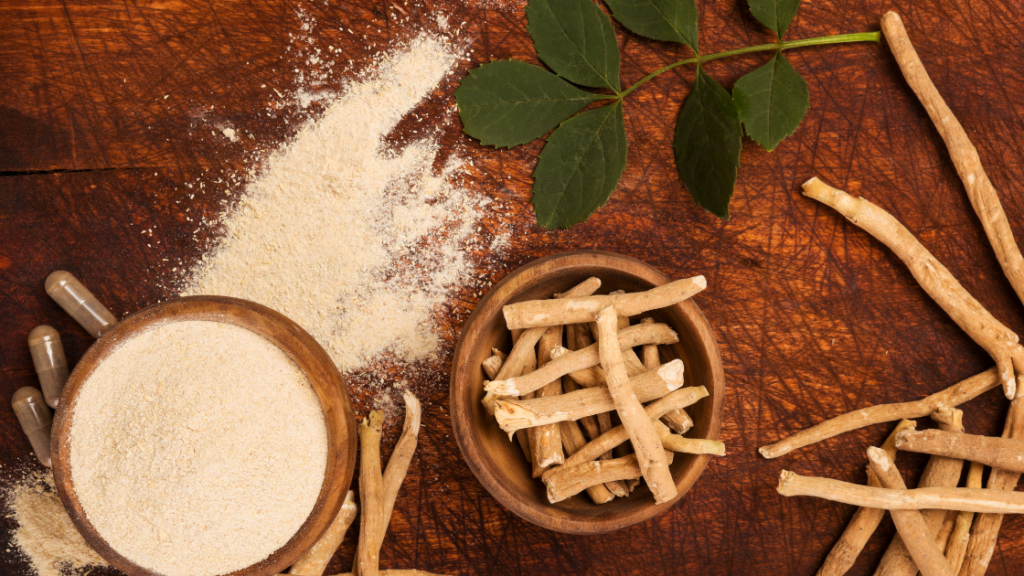
KSM-66 is a specialised form of Ashwagandha extract derived from roots only. It uses a proprietary extraction process that preserves the plant’s full spectrum of bioactive compounds. Unlike other extracts, KSM-66 retains the natural ratio of Ashwagandha’s key constituents, including withanolides, alkaloids, and saponins, ensuring optimal efficacy.
Also Read: 4 Ashwagandha Recipes for Adrenal Support
To learn more about why KSM-66 is superior to other ashwagandha forms, continue reading.
When comparing KSM-66 to other forms of ashwagandha, several key differences exist, each influencing its efficacy and reliability. These differences include in terms of ashwagandha’s composition, bioavailability, quality assurance, and much more.
These differences below explain why KSM-66 stands out among other Ashwagandha forms in detail:-
One critical distinction of ashwagandha KSM-66 is its standardised composition. Unlike powdered ashwagandha or generic extracts, KSM-66 guarantees consistent levels of active compounds as it is formed from the plant’s root extracts. This offers maximum benefits and provides reliable results with each dose. This standardisation enhances the predictability and effectiveness of KSM-66 supplements.
While other forms of Ashwagandha may focus on specific compounds or isolated extracts, KSM-66 retains the plant’s full bioactive constituents. It helps enhance the body’s response to stress, anxiety, and fatigue, supporting overall well-being and its therapeutic effects.
Some common benefits of ashwagandha(KSM-66) are as follows :-
As reported in the National Center for Biotechnology Information (NCBI), ashwagandha KSM-66 has been extensively studied in clinical trials, validating its efficacy and safety for various health conditions. It suggests that KSM-66 may offer superior benefits to other forms of Ashwagandha, particularly regarding stress reduction, cognitive enhancement, and hormonal balance.

Ashwagandha’s bioavailability can vary depending on its form and processing method. KSM-66 is designed to enhance this bioavailability by optimising its absorption and utilization in the body. This means that KSM-66 may exert its effects more efficiently than other forms of Ashwagandha, allowing for lower doses and better outcomes.
As with any supplement, quality and purity are crucial factors to consider. Ashwagandha KSM-66 undergoes stringent quality control procedures to ensure that it meets the strictest requirements for safety and purity. However, it may happen that herbs have been combined or that items made with herbs don’t have all of the herbs stated on the label, and the product may occasionally be contaminated. So, it is essential to choose quality-assured products like Rasayanam KSM-66 ashwagandha, which has undergone 22 clinical trials to ensure its purity and helps lower the body’s cortisol levels, the hormone that causes stress, improves strength and stamina and much more.
In terms of selecting an Ashwagandha supplement, KSM-66 stands out as a great option. Its standardised composition, full range of benefits, backed by clinical research, increased absorption in the body, and strict quality control make it a preferred choice. While other forms of Ashwagandha have their advantages, KSM-66 sets a higher standard in effectiveness, consistency, and overall quality. Opting for KSM-66 ensures you get the most out of this ancient herb for your health and well-being.
Disclaimer: Nothing in this article should be interpreted as professional advice; it is meant to be general information only. Please speak with your healthcare provider for precise dosage information and adjustments.
A. KSM-66 is made from roots only without alcohol or any other chemical solvent and helps improve sleep quality, lowers stress, reduces stress-related food cravings and much more.
A. KSM-66 follows the conventional path and consists solely of the root extract, thus providing the maximum concentration of full spectrum extract.
A. Yes, ashwagandha supplementation is linked to notable gains in strength and muscle mass, so it can be a helpful addition to a resistance training regimen since it may affect both muscle growth and recovery.
A. Ashwagandha, an adaptogen, contains chemicals that can lower blood pressure, boost immunity, alleviate swelling, and soothe the brain, aiding in treating stress-related ailments.
A. Ashwagandha is not recommended for use during nursing or pregnancy, especially for individuals with thyroid or autoimmune diseases or those about to undergo surgery.
Exploring Ashwagandha KSM-66 vs. Other Forms: Understanding the Differences Read More »

Saffron, sometimes referred to as “Kesar”, is one of the most valuable and expensive spices in the world. It is made from the little crimson stigmas of the Crocus sativus flower and has been prized for millennia for its many health and culinary benefits. We’ll look at the intriguing benefits of saffron, history of saffron, its nutritional composition, and wonderful health advantages, as well as how to incorporate it into your daily life, in this essay.
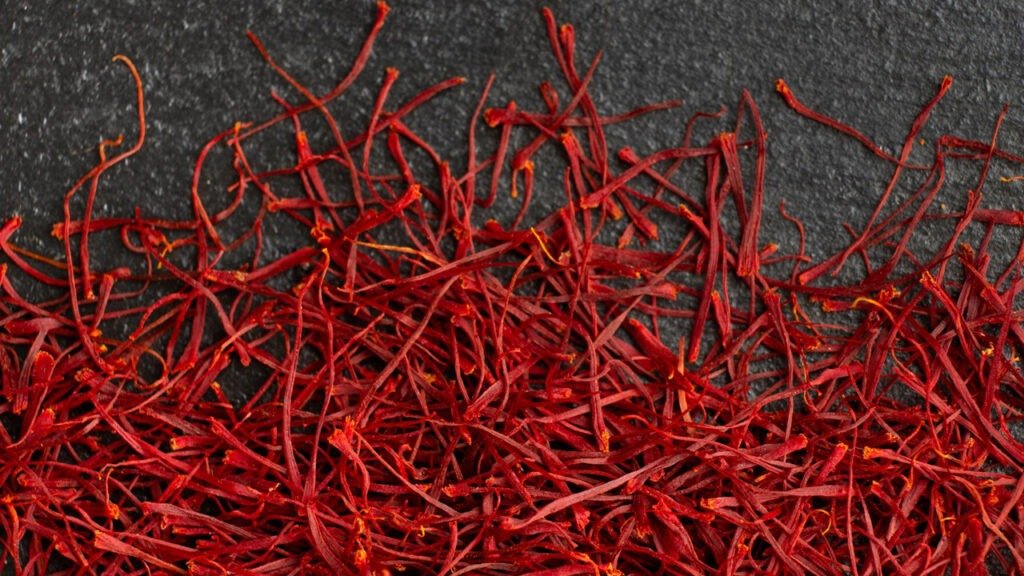
Saffron is a spice that is widely recognized for its distinct golden color and aromatic flavor. It is native to Southwestern Asian countries and has been cultivated in Iran, India, Spain, and Greece. The cultivation of saffron is a labor-intensive process as it requires the careful handpicking of the delicate stigmas from the flo
Saffron has a long history reaching back to antiquity. Its medical benefits were highly valued by ancient civilizations such as the Egyptians, Greeks, and Romans, and it was frequently employed in religious rites and to colour fabrics. Saffron was brought to other places by traders, and its popularity grew throughout Europe and Asia. Saffron is still used in traditional cuisines and herbal health practises in many cultures today.
Despite its tiny size, Rasayanam Kashmiri Saffron packs a powerful nutritional punch. Saffron also includes carotenoids, a type of natural pigment that contributes to its brilliant colour and antioxidant qualities.
Saffron is high in antioxidants, which assist the body neutralise damaging free radicals, protecting cells against damage and lowering oxidative stress. Antioxidants like these are good to general health and may reduce the risk of chronic diseases.
Saffron may have mood-boosting properties and may help ease symptoms of despair and anxiety, according to research.
Saffron contains compounds like crocin and safranal that have been associated with improved eye health.
Saffron’s biologically active components may have neuroprotective qualities, potentially boosting memory, learning, and cognitive function. Saffron eating on a regular basis has been related to increased brain function.
Saffron contains anti-inflammatory properties that may aid to decrease swelling and inflammation throughout the tissues in the body. This makes it beneficial for individuals dealing with conditions like arthritis and other inflammatory disorders.
Preliminary research indicates that saffron chemicals may have anti-cancer capabilities and may hinder the development of some cancer cells. More study in this area, however, is required.
Saffron has been related to cardiovascular benefits such as increased blood circulation and blood pressure reduction. These outcomes might result in a heart that is healthier and a lower chance of developing heart disease.
Saffron may help with weight management by curbing appetite and reducing snacking between meals.
The antioxidant content in saffron contributes to its anti-aging properties. Regular consumption may help combat the signs of aging and promote youthful-looking skin.
Saffron’s unique flavor and color make it a versatile spice in the kitchen. To use kashmiri saffron, steep a few strands in warm water or milk to release its flavor and color, and then add it to your recipes.
Excessive consumption may lead to adverse effects. Pregnant women should see their doctor before taking saffron since it may stimulate the uterus.
When purchasing saffron, look for vibrant red stigmas that have a strong aroma. Avoid buying saffron that appears dull or has a musty smell, as it may be of inferior quality. Opt for reputable brands to ensure you are getting genuine saffron. You can also buy our original kashmiri saffron.
1. What is the recommended daily dosage of saffron?
Adults should consume approximately 30 milligrammes of saffron each day, which is roughly comparable to a few strands. However, for personalised guidance, it is advisable to consult with a healthcare practitioner.
2. Can saffron be consumed during pregnancy?
While saffron is typically safe to use as a culinary spice in modest amounts during pregnancy, pregnant women should see their doctor before taking saffron supplements or in high quantities.
3. Are there any side effects of saffron consumption?
In moderation, saffron is safe for most people. However, in some people, excessive ingestion might cause dizziness, dry lips, and allergic responses.
9 Health benefits of Saffron: Unlocking its Golden Secrets Read More »

Withania somnifera, usually referred to as ashwagandha or Indian ginseng, is a widely used plant in conventional Ayurvedic treatment. It has been used for ages to enhance general health and treat a number of medical ailments. The possible advantages of ashwagandha for those with diabetes have drawn more attention in recent years. The association between ashwagandha and diabetes will be examined in this article, along with any potential impacts, advantages, and considerations.
High blood sugar levels are a defining feature of diabetes, a chronic illness. It affects millions of people globally and, if not effectively treated, can cause a variety of difficulties. While mainstream diabetic treatments are available, many people are turning for complementary and alternative therapies to assist them improve their overall health and well-being. One such plant that has gained interest is ashwagandha due to its potential role in reducing the symptoms of diabetes and promoting improved blood sugar control.

Ashwagandha has antioxidant properties as well. Chemicals called antioxidants help shield the body from the damaging oxidative stress brought on by free radicals. Cell damage from oxidative stress can contribute to the development of chronic illnesses. The antioxidant properties of ashwagandha aid in the neutralization of free radicals and the reduction of oxidative damage, therefore maintaining cellular health.
Alkaloids, steroidal lactones (withanolides), and flavonoids are only a few of the bioactive substances found in ashwagandha. It is thought that these ingredients help explain why it has therapeutic qualities. The herb’s capacity to strengthen the neurological system, improve cognitive function, increase energy, and foster general vitality is well established.
The body’s ability to control blood sugar (glucose) levels is impacted by diabetes, a metabolic illness. Diabetes comes in two main types: type 1 and type 2.. Insulin, a hormone that aids in controlling blood sugar, is not produced by the body in sufficient amounts in type 1 diabetes. The body either produces insufficient insulin or develops an immunity to its effects in type 2 diabetes. Elevated blood sugar levels that are caused by both types of diabetes might cause consequences if they are not treated effectively.
Ashwagandha, a herb with a long history of use in conventional Ayurvedic medicine, has received attention for its potential benefits in treating diabetic symptoms and promoting better blood sugar management. While scientific research is ongoing, several potential benefits of ashwagandha for diabetes have been suggested:

Its ability to assist in controlling blood sugar levels is one of the main areas of interest surrounding ashwagandha and diabetes. Ashwagandha may be able to reduce blood sugar levels due to hypoglycemic effects, according to some research. The benefit of this may extend to diabetics who have difficulty maintaining optimal blood sugar control. To completely understand the working processes and the overall impact on blood sugar management, more research is necessary.

Insulin sensitivity is the body’s ability to effectively utilise insulin to control blood sugar levels. Ashwagandha may enhance insulin sensitivity, which may enhance the body’s reaction to insulin and enable improved blood sugar control, according to study. Ashwagandha may improve insulin sensitivity, enabling diabetics to better manage their condition. More study is need to confirm and comprehend this potential advantage, though.

Strong antioxidant capabilities of ashwagandha aid in the elimination of free radicals and the reduction of oxidative stress. Ashwagandha may have preventive effects against diabetic complications by lowering oxidative stress. But more study is required to examine the precise effects of ashwagandha on oxidative stress in relation to diabetes.

An important part of controlling diabetes is keeping a healthy weight. Ashwagandha may help with weight loss efforts, according to some research. Body weight, BMI, and waist circumference can all be lowered, which is significant for diabetes management. To determine the degree of ashwagandha’s effect on weight management in people with diabetes, more research is required.

Stress can negatively affect blood sugar management in diabetics. The adaptogenic properties of ashwagandha are widely known for improving the body’s capacity to handle stress. By reducing stress, ashwagandha may indirectly help to improve blood sugar regulation. It may also improve sleep quality, which is important for treating diabetes and maintaining general health.

Diabetes patients frequently have lipid abnormalities, including high cholesterol and triglyceride levels. According to certain research, ashwagandha may help improve lipid profiles by lowering total cholesterol, LDL cholesterol, and triglyceride levels. Maintaining appropriate lipid levels is critical for lowering the risk of diabetic cardiovascular problems.

Diabetes, its consequences, and chronic inflammation are all influenced by chronic inflammation. Researchers have discovered that ashwagandha contains anti-inflammatory effects, which may aid diabetics with inflammation. Ashwagandha might improve diabetes management and offer extra advantages for general health by lowering inflammation.

Diabetes frequently results in diabetic neuropathy, a form of nerve damage. Ashwagandha has been investigated for its potential to protect neurons from damage and to enhance neuronal function. According to some research, ashwagandha may lessen neuropathic pain and enhance nerve regeneration, which may be helpful for diabetics who experience neuropathy symptoms.

High blood pressure is frequently present with diabetes, which increases the risk of cardiovascular issues. According to research, ashwagandha may help lower blood pressure because it contains antihypertensive characteristics. Ashwagandha may help with the overall treatment of diabetes and lessen the likelihood of associated problems by promoting good blood pressure regulation.

Diabetes patients may be more susceptible to infections as a result of reduced immune system. Traditional uses of ashwagandha include its ability to strengthen the immune system and its ability to fight off specific diseases with antibacterial action. While additional research is required, these characteristics imply that ashwagandha may support a healthy immune system and shield those with diabetes from infections.

Oxidative stress, which develops when free radicals and antioxidants are in an unbalanced ratio, is associated with diabetes and its effects. Due to ashwagandha’s antioxidant capabilities, oxidative stress and its harmful effects on the body may be lessened. Ashwagandha may offer further defense against diabetes-related issues like renal damage and cardiovascular disease by combating oxidative stress.

Diabetes can significantly impact both mental health and overall quality of life. For its ability to lessen the signs of stress, anxiety, and depression, ashwagandha has been studied. By boosting feelings of wellbeing and enhancing mental health, ashwagandha may contribute to a better quality of life for those with diabetes.
Several clinical studies have explored the effects of ashwagandha on diabetes management. When compared to a placebo group, ashwagandha supplementation dramatically reduced fasting blood sugar levels and improved lipid profiles in type 2 diabetes patients in a randomized controlled experiment. Other studies have reported similar findings, suggesting the potential of ashwagandha as an adjunct therapy for diabetes management.
The mechanisms through which ashwagandha exerts its effects on diabetes are still being investigated. According to some research, ashwagandha may improve insulin secretion from pancreatic beta cells, glucose uptake by peripheral tissues, and glucose metabolism. Furthermore, its antioxidant capabilities may aid in the reduction of oxidative stress linked with diabetes.
The optimum ashwagandha dosage for diabetes may differ depending on individual demands and health circumstances. Before beginning any new supplement regimen, it is critical to contact with a healthcare expert. Ashwagandha is available as capsules, powders, and liquid extracts, among other forms. It is critical to follow the suggested dosage directions on the product label for safe and efficient use.
While ashwagandha is generally considered safe for most people when used as directed, it is important to exercise caution and consider certain precautions. Pregnant or breastfeeding women, individuals with autoimmune conditions, and those taking medications should consult with a healthcare professional before using ashwagandha. Additionally, it is advisable to start with lower doses and gradually increase as tolerated.
Keep in mind that ashwagandha shouldn’t be considered a stand-alone treatment for diabetes. Effective diabetes control depends heavily on lifestyle choices such a balanced diet, frequent exercise, stress management, and access to quality medical care. An all-encompassing holistic strategy for managing diabetes can include ashwagandha.
Before incorporating ashwagandha into your diabetes management plan, it is crucial to consult with your healthcare provider. They can provide personalized guidance, assess potential drug interactions, and monitor your progress. Your healthcare provider will help ensure that ashwagandha is safe and appropriate for your specific health needs.
Ashwagandha shows promise as a potential natural remedy for managing diabetes symptoms and promoting better blood sugar control. While scientific research suggests its potential benefits, it is important to remember that ashwagandha should not replace conventional treatments or medical advice.
Q 1: Can ashwagandha cure diabetes?
Ans. Ashwagandha cannot cure diabetes. However, it may help manage diabetes symptoms and improve blood sugar control when used as part of an overall diabetes management plan.
Q 2: Can ashwagandha be taken alongside diabetes medications?
Ans. It is important to consult with a healthcare provider before combining ashwagandha with diabetes medications. Ashwagandha may interact with certain medications, and your healthcare provider can provide guidance based on your specific situation.
What You Need to Know About Ashwagandha and Diabetes? Read More »

Ashwagandha holds a rich legacy and is celebrated for its numerous health benefits, which is an ancient Ayurvedic herb particularly for women. It can balance hormones by regulating cortisol and supporting the endocrine system, which is helpful for those with hormonal imbalances, irregular periods, or menopause symptoms. Ashwagandha is an adaptogen that helps the body cope with stress, reducing anxiety and improving mood. It also enhances reproductive health, regulating menstrual cycles and improving fertility. Additionally, it shows promise in boosting cognitive function and memory, aiding women with age-related cognitive decline. It’s crucial to consult a healthcare professional before starting any new herbal supplement to ensure it’s suitable for individual needs.
Ashwagandha, Nature’s gift of healing from mystical lands and traditions.It is well known for its adaptogenic qualities, which aid in stress management and advance general wellbeing. The roots and berries of Ashwagandha contain bioactive compounds like alkaloids and withanolides, which are believed to be responsible for its therapeutic effects. Numerous potential health advantages of ashwagandha include the reduction of stress and anxiety, immune system support, improvement of cognitive function, improved physical performance, and hormonal balance. It might potentially have antioxidant and anti-inflammatory properties. Different types of ashwagandha are available, but before beginning any dietary supplement, especially if you use medication or have underlying medical concerns, it’s crucial to speak with a healthcare provider.

The effects of the popular Ayurvedic herb ashwagandha on hormone balance have been researched. Hormones play a vital role in various bodily functions, and ashwagandha has shown potential in influencing the endocrine system. Mighty substances like cortisol, thyroid hormones, testosterone, and estrogen dynamically transform. As an adaptogen, it helps the body adapt to stress and regulate hormone levels accordingly.
Ashwagandha, Nature’s stress-relieving superhero for a calmer, balanced you!By reducing cortisol levels, ashwagandha may help alleviate stress symptoms and promote a more balanced hormonal environment.
However, it is essential to consult a healthcare professional before adding ashwagandha or any supplements to your routine, particularly if you have existing hormonal conditions or are taking medications. Further research is needed to fully understand ashwagandha’s effects on hormonal balance.
Regulation of Estrogen Levels


Alleviation of Menopause Symptoms

Stress and Anxiety Reduction
Popular Ayurvedic herb ashwagandha has several advantages for women in lowering stress and anxiety. Its adaptogenic properties help the body manage and adapt to stressors, promoting a sense of calm and relaxation. Ashwagandha also supports healthy cortisol levels, which play a vital role in stress response. By regulating cortisol, it helps alleviate anxiety symptoms. Additionally, it increases serotonin production, which improves mood and lowers anxiety by encouraging positive emotions. Serotonin is a neurotransmitter. Regular consumption of Ashwagandha can be an effective natural remedy for women seeking relief from stress and anxiety.

Boosting Energy Levels and Combating Fatigue
Ashwagandha, a popular herb in traditional Ayurvedic medicine, offers various benefits for women. It can boost energy levels and combat fatigue, providing a natural solution for those seeking increased vitality. Ashwagandha, a natural remedy, enhances overall well-being and induces relaxation by reducing stress and anxiety, leaving you feeling revitalized and resilient. Additionally, Ashwagandha has adaptogenic properties, aiding in hormone balance and supporting reproductive health in women. Its antioxidant properties further contribute to a healthier immune system, enhancing overall vitality and combating fatigue effectively.
Immune System Support
Ashwagandha, a powerful adaptogenic herb, offers numerous benefits for women, including immune system support. By boosting the immune response, ashwagandha helps women strengthen their body’s defense against infections and illnesses. It’s like giving your body a powerful boost, inspiring the growth of white blood cells that safeguard you from illness. A healthy immune system is supported by ashwagandha’s anti-inflammatory effects, which also reduce inflammation. Its antioxidant content helps protect cells from oxidative damage, which can enhance overall immune function. Incorporating ashwagandha into a woman’s wellness routine may contribute to improved immune health and a stronger defense against various diseases.
Physical Performance and Endurance

The herb ashwagandha, which is frequently used in conventional Ayurvedic treatment, has several advantages for women in terms of their physical stamina and performance. It helps enhance energy levels and stamina, allowing women to perform better during physical activities and exercise. Ashwagandha also supports muscle strength and recovery, aiding in the development and maintenance of lean muscle mass. It may reduce exercise-induced muscle damage and inflammation, promoting faster recovery after intense workouts. Additionally, ashwagandha has adaptogenic properties that help the body cope with stress, which can positively impact endurance and overall athletic performance in women.

Cognitive Function and Mental Well-being
Unlock the power of Ashwagandha, a time-honoured herbal remedy from Ayurvedic medicine, offering women enhanced mental well-being and cognitive prowess. It has been discovered to improve memory, concentration, and focus, supporting greater cognitive function. Ashwagandha also acts as an adaptogen, helping to reduce stress and anxiety levels, which are common issues for many women. By regulating cortisol levels, it supports a healthy stress response and promotes a sense of calm and relaxation. Ashwagandha: The natural sleep enhancer for a blissful night’s rest, fostering optimal mental well-being and rejuvenation. Its natural properties make it a valuable supplement for women seeking cognitive support and emotional balance.
Skin Health and Anti-Aging Effects

Ashwagandha, an adaptogenic herb, offers various benefits for women’s skin health and anti-aging effects. It has strong antioxidant qualities that aid in scavenging free radicals, lowering oxidative stress, and avoiding early indications of ageing including fine lines and wrinkles. Ashwagandha promotes collagen production, enhancing skin elasticity and firmness. It helps to lessen inflammation, which can treat rosacea and acne and other skin disorders. This herb also supports hormonal balance, potentially benefiting women experiencing hormonal fluctuations. Additionally, by lowering stress-related breakouts and fostering a more luminous complexion, Ashwagandha’s stress-relieving qualities may indirectly enhance skin health.
Ashwagandha, an adaptogenic herb, offers several benefits for women. It aids in reducing anxiety and tension, elevating mood, and promoting general wellbeing. Ashwagandha also supports hormonal balance, making it beneficial for menstrual health and menopausal symptoms. Additionally, it may boost fertility by improving reproductive health and libido. The recommended dosage of ashwagandha for women is typically 250-500 mg per day. Before beginning any new supplement, it’s crucial to speak with a medical expert. Precautions include avoiding ashwagandha during pregnancy, breastfeeding, or if you have specific medical conditions like autoimmune disorders or thyroid issues.
Ashwagandha offers several benefits for women. It is known to reduce stress and anxiety, which can be particularly beneficial for women juggling multiple responsibilities. Ashwagandha also supports hormonal balance by regulating cortisol levels and improving thyroid function, potentially alleviating symptoms of hormonal imbalances such as irregular periods and mood swings. Additionally, it may enhance fertility by improving reproductive health and reducing oxidative stress. Ashwagandha’s adaptogenic properties can boost energy levels and improve overall vitality. Before incorporating any supplements into their routine, women should consult a healthcare professional to ensure it aligns with their specific health requirements.
Q1: Can Ashwagandha interact with other medications?
Ans. Ashwagandha may interact with certain medications, including immunosuppressants, sedatives, and thyroid medications. If you are taking any prescription medications, it is essential to consult with your healthcare provider before adding Ashwagandha to your regimen to ensure there are no potential interactions.
Q 2: Can Ashwagandha help with sleep issues?
Ans. Ashwagandha has been traditionally used to promote relaxation and combat stress, which can indirectly support healthy sleep patterns. However, if you have chronic sleep issues, it is recommended to seek guidance from a healthcare professional for a comprehensive approach to sleep management.
Q 3: Is Ashwagandha suitable for vegetarians and vegans?
Ans. Yes, Ashwagandha supplements are generally suitable for vegetarians and vegans. However, it is always advisable to check the specific product labels to ensure they are free from any animal-derived ingredients.
Q 4: Can Ashwagandha be used for skin health?
Ans. Ashwagandha’s antioxidant properties may contribute to skin health by combating oxidative stress. While more research is needed to establish its direct effects on the skin, incorporating Ashwagandha into a well-rounded skincare routine, along with a healthy lifestyle, may support overall skin well-being.
Q 5: Can Ashwagandha be used by women with autoimmune conditions?
Ans. Women with autoimmune conditions should exercise caution when considering the use of Ashwagandha. The herb’s immunomodulatory effects may potentially interact with autoimmune conditions. It is advisable to consult with a healthcare professional before incorporating Ashwagandha into your routine if you have an autoimmune condition.
Revitalizing Women’s Health: Exploring the Wonders of Ashwagandha Read More »