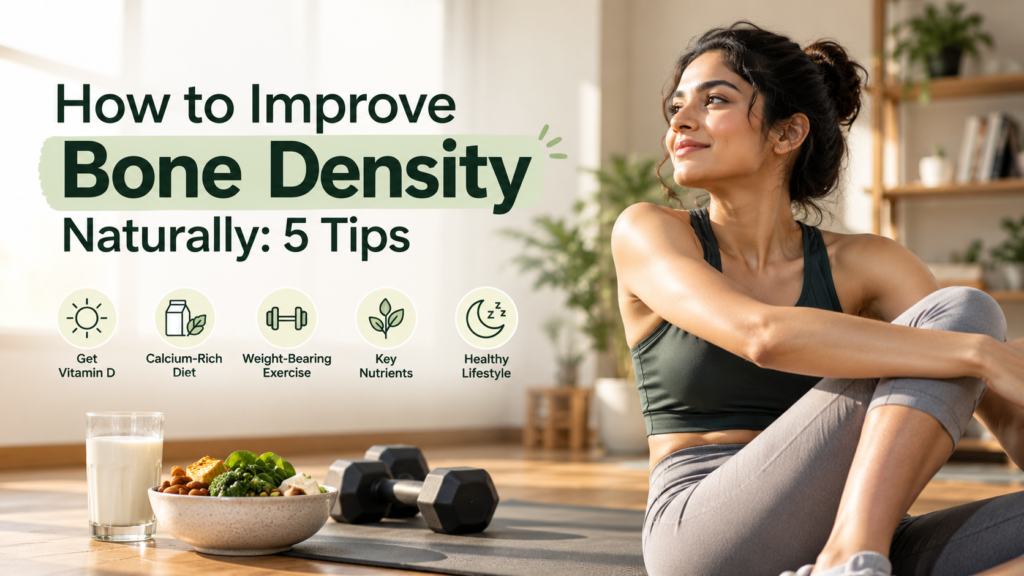
How to Improve Bone Density Naturally: 5 Tips

A morning walk, a glass of milk, and a little sunlight may sound like enough for healthy bones. Yet for many Indians, the reality is different. Long hours indoors, limited weight-bearing activity, changing diets, and low vitamin D levels can quietly affect bone health long before anyone thinks about osteoporosis.

The good news? You can improve bone density naturally by taking into consideration a broader scope of things and not depending on just one thing.

The following guide describes the lifestyle, foods to increase bone density, exercise, and vitamins for bone health that may help with enhancing your bone density. It also explains where supplements such as vitamin D3 + K2 and magnesium may fit into the picture.

Why Bone Density Deserves Attention

Bones are living tissue. They constantly break down and rebuild, which means your daily lifestyle can influence how well this process works.

This is particularly relevant in India, where vitamin D deficiency has been reported at very high rates across different population groups. One review found vitamin D deficiency to be widespread across the Indian subcontinent, despite the country’s abundant sunshine. (PubMed Central (PMC))

So, if the goal is to improve bone density naturally, getting enough vitamin D, calcium, protein, and other essential nutrients matters, but so does staying physically active.

1. Start with the right foods for bone density

Bones are not made of calcium alone. The proper nutrition that provides all the necessary vitamins comes from the consumption of different foods. In order to have healthy bones, one needs more than calcium alone.

Some good foods for bone density include:

  • Dairy products like milk, yogurt, and cheese for calcium and protein
  • Ragi, sesame seeds, and leafy vegetables
  • Soybean, tofu, and other plant-based sources of protein
  • Almonds and other nuts
  • Other high-protein foods like eggs and fish, according to food preference
  • Fruits and vegetables containing magnesium, vitamin C, and other micronutrients

Bone is not made up of just minerals, so protein too is very important. Sufficient protein provides the framework for deposition of minerals.

If you want to improve bone density naturally, focus on getting a wide range of nutrients from different food groups rather than eating large amounts of one specific food.

2. Don’t ignore vitamin D

Calcium works only if you have enough vitamin D in your body.

This is why vitamin D is one of the important vitamins for bone health. It helps in the absorption of calcium in the intestine to aid normal mineralization of bone.

Your body can make vitamin D with regular, sensible sun exposure. But how much vitamin D your body makes depends on a number of things, such as your skin type, the season, your clothing, where you live, and how much time you spend outdoors. If you suspect deficiencies , blood tests and clinical guidance are more helpful than assuming you need more nutrition .

This is one reason people looking to improve bone density naturally should consider their vitamin D status rather than focusing only on calcium intake.

3. Think beyond calcium: Vitamin K2 and Magnesium

Bone health is teamwork. Vitamin D promotes calcium absorption, while vitamin K assists in the activation of proteins responsible for bone metabolism. There is still research under way, but it is promising, so K2 must only complement your diet, not replace a balanced diet and appropriate medical care.

Magnesium also contributes to normal bone structure and vitamin D metabolism.

For people who need additional nutritional support, a combination such as Rasayanam Vitamin D3 + K2 provides plant-based, lichen-derived vitamin D3 alongside K2 MK-7. The current formulation lists 600 IU of vitamin D3 and 55 mcg of K2 per serving.

For broader support, the Rasayanam Magnesium + Vitamin D3 + K2 Combo combines these nutrients.

You don’t necessarily need all three to improve bone density naturally. The right approach depends on your diet, nutritional status, and individual needs.

4. Make resistance exercise part of your routine

Nutrition alone is not sufficient.

Physical exercises such as walking, stair climbing, weight lifting, and others that put healthy stress on the body help to keep the bones strong.

If your daily activity mainly involves sitting, which is becoming more prevalent due to desk jobs and sedentary lifestyles involving lots of screen time, then increasing physical activity will make an impact.

For increased bone density, you need to do things in moderation rather than pushing yourself to extremes. The physical activity chosen should suit your age and fitness.

5. Don’t forget sleep and overall lifestyle

Bone is one component that affects the state of our health generally.

Pretty much all of the aging-related health issues depend on proper intake of various substances, keeping a healthy body weight, getting enough sleep, and stopping smoking habits. Besides, a sufficient quantity of protein and other nutrients in the diet is also an essential condition for good health.

At the same time, there is no reason that one should complicate life with the use of a variety of supplements. Just start with the basics: good food, exercise regularly, get as much sunlight as you can, and sleep well, and you will do just ​fine.

Can Supplements Help Improve Bone Density Naturally?

Supplements can help fill nutritional gaps, particularly when dietary intake or vitamin levels are inadequate. But they are not a shortcut to stronger bones.

If you want to improve bone density naturally, think of supplements as support for the foundation, not the foundation itself.

While some people might need to use vitamin D, calcium, magnesium, or other types of vitamins for bone density, others might be able to receive sufficient amounts through their diet. In case you need a professional opinion, one can contact a healthcare provider who will help in establishing whether it is really necessary, taking into account your health problems.

The Bottom Line

To improve bone density naturally, one ingredient should not be considered as miraculous. Rather, create a system through food sources, protein and calcium, vitamin D, doing weight-bearing sports regularly, getting enough sleep, and balanced nutrition.

If there is a real deficit in nutrition, micronutrients can help bone health. Although D3, K2, and magnesium may work together, you aren’t obliged by their availability to take all three.

There is no need to get confused about taking different vitamins and minerals, all you have to do is be wise about it.

Simply, you need to know your personal needs to tackle any deficiency, and stick with a plan. That is what will help you to be more successful in making bone denser without relying on supplements only.

Frequently Asked Questions:

1. Can I improve bone density naturally without taking supplements?

Yes. Quite a number of people can support their bone health through nutrition, exercise, proper sunlight exposure, and healthy living practices. Supplements can be effective in cases where there is a deficiency of certain nutrients in one’s body.

2. Does walking help improve bone density naturally?

Walking is a weight-bearing activity that can support bone health, particularly when done regularly. If one is looking to improve bone density naturally, then walking along with some suitable resistance training may help.

3. Is vitamin D enough to improve bone density naturally?

Vitamin D is essential, but it forms just a part of the whole picture. In order to increase your bone density through natural means, there are several other elements your body needs, such as calcium, protein, magnesium, and exercise.

4. Should I take calcium, vitamin D, K2, and magnesium together?

Not necessarily. You don’t need every supplement to improve bone density naturally. The right combination depends on your diet, nutritional status, age, medications, and individual health needs. Supplements are best used to address specific nutritional gaps. 

5. Can I improve bone density naturally after age 40?

Healthy habits remain important as you age. A diet containing adequate protein and foods for bone density, regular weight-bearing exercise, sufficient vitamin D, and good lifestyle habits can all support bone health over time.

Disclaimer: This content is for informational purposes only and does not replace medical advice. Consult a healthcare professional before starting any supplements. 

 How to Improve Bone Density Naturally: 5 Tips Read More »
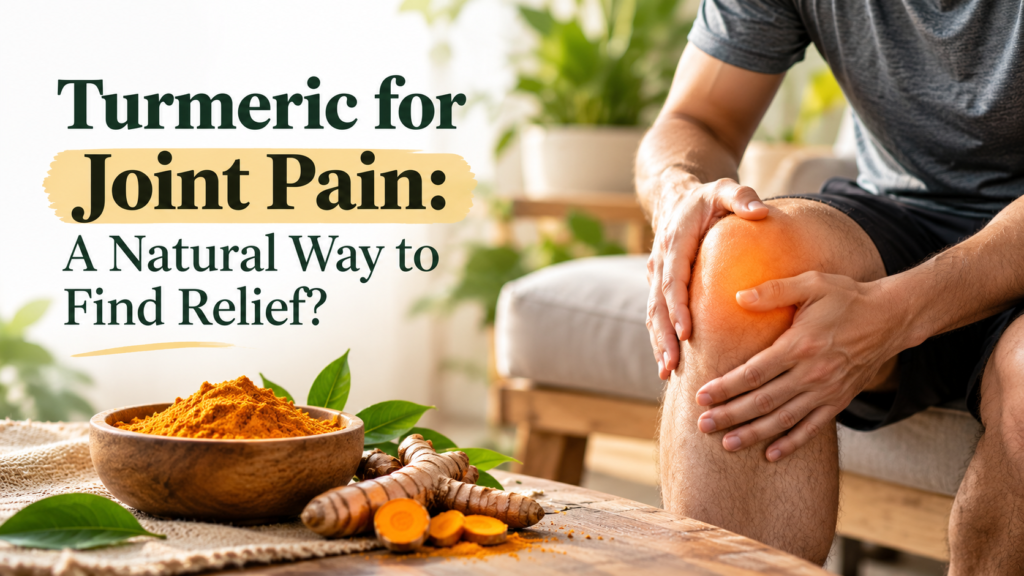
Turmeric for Joint Pain: A Natural Way to Find Relief?

For many Indians, joint discomfort does not begin with a major injury. It can show up while climbing stairs, getting up after sitting cross-legged, taking the first few steps in the morning, or simply after a long day at work. And when that familiar stiffness starts becoming part of everyday life, the search for natural remedies for joint pain often begins.

Turmeric is usually one of the first ingredients that comes up.

But does turmeric actually work for joint discomfort, or is it simply another kitchen ingredient surrounded by health claims? Let us look at what the research says, how turmeric for joint pain may work, and what you should know before considering a concentrated curcumin supplement.

Why Is Turmeric Considered for Joint Pain?

Turmeric contains numerous compounds, but the most researched is curcumin. The possible effects of curcumin on inflammation and oxidative stress have been investigated. Both of these processes can play a role in joint discomfort.

So turmeric for joint pain has been of scientific interest, particularly in individuals with symptoms associated with knee osteoarthritis.

But there is one important difference: taking a concentrated curcumin extract is not the same as adding turmeric to your food. Turmeric powder contains relatively small amounts of curcumin, while supplements can contain much more concentrated extracts.

So when scientists study turmeric for joint pain they are often testing standardized turmeric extracts or curcumin formulas, not the quantity you would normally use in cooking.

Does Turmeric Help With Joint Pain? The Evidence Says “Possibly”

The evidence is promising, but it is not a reason to treat turmeric as a cure.

A systematic review published in BMJ Open Sport & Exercise Medicine examined 10 randomized controlled studies involving people with knee osteoarthritis. All studies reported improvements in pain and physical function from baseline, and the researchers found that turmeric appeared to perform better than placebo for knee pain and function. However, they also noted that the ideal dose, frequency and formulation are still unclear.

Another systematic review and meta analysis looked at randomized clinical trials of turmeric extracts and curcumin. It found reductions in pain scores and improvements in WOMAC scores, which assess pain, stiffness and physical function. Still, the researchers emphasized that the number and size of studies mattered to make definitive conclusions.

That distinction matters.

Turmeric for joint pain may help in improving mobility and comfort, but it needs to be done alongside the right medical care.

How Might Curcumin Support Joint Comfort?

Think of joint discomfort as more than simply “wear and tear.” Inflammatory processes can contribute to pain, stiffness and reduced mobility.

Curcumin has been investigated for its ability to influence inflammatory pathways and oxidative stress. This is one reason it appears in discussions around natural remedies for joint pain.

Some research also suggests that certain enhanced-absorption curcumin formulations may be more useful than ordinary turmeric because the body does not absorb curcumin particularly well on its own.

That is where formulation becomes important.

Turmeric Powder vs Curcumin Supplements: What is the Difference?

Using turmeric in dal, vegetables or warm milk is a simple way to include it in your diet. But food quantities are not designed to deliver the concentrated amounts of curcuminoids used in clinical research.

A curcumin supplement may instead use a standardized extract or an absorption-enhanced formulation.

For example, nano-curcumin uses smaller particles which are believed to improve solubility and absorption. Another popular way to enhance the bioavailability of curcumin is with piperine, the compound in black pepper. The National Center for Complementary and Integrative Health notes that combining curcumin with piperine is one way formulations attempt to improve absorption.

This doesn’t automatically make every supplement effective. Quality, formulation, concentration and individual response all matter.

Other Natural Remedies for Joint Pain Worth Considering

A more realistic approach combines a few habits:

  • Get moving: Walking, mobility and strength-exercising routines suited to what you are able to accomplish will be instrumental in keeping you in your current functional level.
  • Feed your body well: A healthy balanced diet should cover adequate amounts of protein, veggies, fruits, grains and healthy fats.
  • Focus on getting good sleep: Lack of good sleep will probably make it harder for you to deal with your daily discomforts or even pains.
  • Break down prolonged inactivity: Extended staying still, e.g., sitting in the same position without any change for hours can lead to stiffness in the body. ​‍​
  • Address ongoing pain: Joint pain that persists or increases needs to be checked by a professional, rather than an endless trial of home remedies.

These basics often matter just as much as any single ingredient when exploring natural remedies for joint pain.

Where Does Rasayanam Curcumin Fit In?

If someone is specifically looking at concentrated turmeric for joint pain, the formulation deserves attention, not just the word “turmeric” on the label.

Rasayanam Curcumin – Triple Power combines 1600 mg of curcumin formulation with 95% curcuminoids, nano-curcumin, haridra extract and piperine. The idea is to combine concentrated curcumin with ingredients intended to improve absorption and provide broader turmeric-derived support.

The product also reports that 65% of users reported reduced joint pain, alongside other user-reported outcomes. These figures are presented by Rasaynam based on published clinical studies evaluating its ingredients, so they should not be interpreted as the results of a single clinical trial of the finished product.

That transparency is important when evaluating supplement claims.

What Should You Expect?

Studies​‍​‌‍​‍‌ indicate that curcumin could assist with pain and function, particularly in knee osteoarthritis. Although results can be variable, research is gradually providing more ​evidence.

Quick Takeaway

  • Turmeric for joint pain: Research is promising, particularly if it is used for knee pain
  • Curcumin: The major component of turmeric is curcumin which has been the focus of most studies
  • Natural remedies for joint pain: They work well when used with healthy lifestyle changes
  • Getting the most out of absorption: There are ways to get more curcumin such as using nano-curcumin or combining it with piperine
  • Keep in mind: Turmeric is helpful but joint problems can have other causes ​‍​
  • Pain that persists: Requires medical attention

Frequently Asked Questions:

1. What is the difference between turmeric and curcumin for joint pain?

Turmeric​‍​‌‍​‍‌ refers to the whole spice, but curcumin is one of the key active ingredients. Curcumin is commonly used in the form of concentrated extracts because it delivers a far more reliable potency in comparison to ordinary ground ​‍​‌‍​‍‌turmeric.

2. Is turmeric better than other natural remedies for joint pain?

Not necessarily. Natural remedies for joint pain work differently for different people. Regular movement, strength exercises, a balanced diet, healthy body weight and adequate sleep can all contribute to better joint health. Turmeric can be one part of this overall approach.

3. How long does turmeric take to help with joint discomfort?

There is no guaranteed timeline. Some clinical studies have reported improvements over several weeks, but one cannot really expect the same result as another. Consistency and the overall approach to joint health matter more than expecting overnight relief.

4. Can turmeric completely cure joint pain?

No. Turmeric for joint pain should not be presented as a cure. It can be good for supporting comfort and mobility. In any case, if you have persistent joint pain, there can be various reasons behind it and a regular check-up at the doctor plus the prescribed treatment may be needed for ​‍​‌‍​‍‌that.

5. Are there natural remedies for joint pain that I can combine with turmeric?

Yes. Gentle physical activity, mobility exercises, adequate protein, a nutrient-rich diet, good sleep and avoiding prolonged inactivity can complement natural remedies for joint pain. The goal should be supporting joint function from multiple angles rather than relying on one ingredient.

Disclaimer: This article is for informational purposes only and does not replace professional medical advice. Consult your healthcare professional before using concentrated curcumin supplements, especially if you take medication, have a medical condition, or are pregnant or breastfeeding. 

Turmeric for Joint Pain: A Natural Way to Find Relief? Read More »

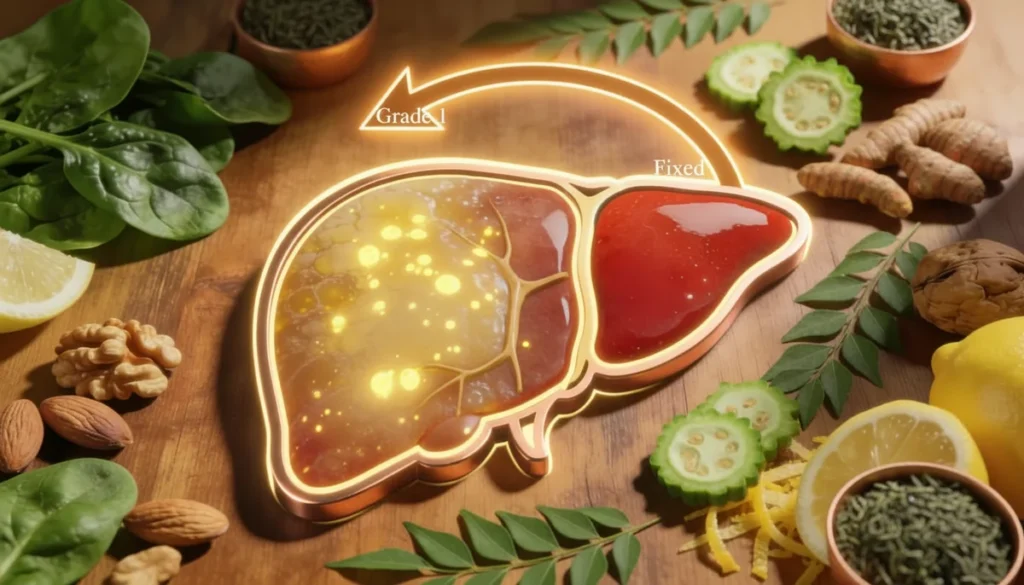
fatty liver grade 1

What is Grade 1 Fatty Liver and How Can You Fix It?

Introduction

Are you concerned about your recent diagnosis of grade 1 fatty liver? You’re not alone. Millions of people worldwide struggle with fatty liver disease, but the good news is that grade 1 fatty liver is the mildest form and completely reversible with proper care. This comprehensive guide will explain what grade 1 fatty liver means, explore both non alcoholic fatty liver and alcoholic fatty liver causes, and provide you with proven fatty liver treatment strategies to restore your liver health quickly.

Whether you’re dealing with alcoholic liver disease or non-alcoholic fatty liver disease (NAFLD), understanding your condition is the first step toward recovery. By the end of this article, you’ll have a clear roadmap for how to reduce fatty liver quickly and prevent progression to more serious conditions like alcoholic hepatitis.

What is Grade 1 Fatty Liver?

Understanding Fatty Liver Grades

Grade 1 fatty liver, also known as mild hepatic steatosis, occurs when 5-33% of liver cells contain fat deposits. This is the earliest and most treatable stage of fatty liver disease. Unlike advanced stages, grade 1 fatty liver typically shows no symptoms and can be completely reversed with appropriate lifestyle modifications.

The liver naturally contains some fat, but problems arise when fat accumulates beyond normal levels. In grade 1 fatty liver, the fat infiltration is minimal, making it an ideal time to intervene and prevent progression to grades 2 and 3, which carry higher risks of liver damage.

Types of Grade 1 Fatty Liver

Non Alcoholic Fatty Liver Disease (NAFLD) Non alcoholic fatty liver affects people who consume little to no alcohol. This condition is strongly linked to metabolic syndrome, diabetes, obesity, and insulin resistance. NAFLD has become increasingly common due to sedentary lifestyles and processed food consumption.

Alcoholic Fatty Liver Disease Alcoholic fatty liver develops from excessive alcohol consumption over time. Even moderate drinking can contribute to fat accumulation in susceptible individuals. This type often progresses faster than NAFLD and can lead to alcoholic hepatitis if left untreated.

Causes and Risk Factors

Non Alcoholic Fatty Liver Disease (NAFLD) Non alcoholic fatty liver affects people who consume little to no alcohol. This condition is strongly linked to metabolic syndrome, diabetes, obesity, and insulin resistance. NAFLD has become increasingly common due to sedentary lifestyles and processed food consumption.

Alcoholic Fatty Liver Disease Alcoholic fatty liver develops from excessive alcohol consumption over time. Even moderate drinking can contribute to fat accumulation in susceptible individuals. This type often progresses faster than NAFLD and can lead to alcoholic hepatitis if left untreated.

How to Reduce Fatty Liver Quickly: Proven Treatment Strategies

Regular physical activity is crucial to reduce fatty liver quickly, as studies show that even modest exercise can significantly decrease liver fat content within weeks. The most effective approach combines cardiovascular exercise (150 minutes of moderate-intensity cardio weekly), resistance training (2-3 sessions per week focusing on major muscle groups), high-intensity interval training (2-3 sessions weekly for maximum fat burning), and daily walking of at least 8,000-10,000 steps. 

For overweight individuals, losing 7-10% of body weight can dramatically improve grade 1 fatty liver, but rapid weight loss can worsen the condition, so aim for 1-2 pounds per week by creating a moderate calorie deficit of 500-750 calories daily, focusing on nutrient-dense whole foods, practicing portion control, staying hydrated with 8-10 glasses of water daily, and tracking progress with regular check-ups.

Medical Treatments and Interventions

When to Seek Professional Help

While grade 1 fatty liver often improves with lifestyle changes, certain situations require medical intervention:

  • Persistent elevated liver enzymes after 3-6 months of lifestyle changes
  • Signs of progression to alcoholic hepatitis
  • Concurrent diabetes or metabolic syndrome
  • Family history of liver disease

Medications and Supplements

Currently, no specific medications are approved by drug regulatory authorities specifically for treating fatty liver disease. However, doctors may prescribe medications to manage underlying conditions that contribute to liver fat accumulation. For non alcoholic fatty liver cases, physicians commonly prescribe metformin to improve insulin resistance, statins to manage high cholesterol levels, and blood pressure medications when hypertension is present. In alcoholic fatty liver situations, treatment often includes thiamine (Vitamin B1) supplementation to prevent neurological complications, folic acid and other B vitamins to support liver function, and sometimes milk thistle under medical supervision for its potential hepatoprotective properties.

Monitoring Progress

Regular monitoring helps track your fatty liver treatment progress:

  • Liver function tests every 3-6 months
  • Imaging studies (ultrasound or MRI) as recommended
  • Body weight and waist circumference measurements
  • Blood sugar and lipid panels

Prevention and Long-Term Management

Preventing Progression to Advanced Stages

The key to preventing grade 1 fatty liver from advancing to more serious conditions like alcoholic hepatitis lies in consistent lifestyle management:

Long-Term Success Strategies:

  • Maintain a healthy weight through balanced nutrition
  • Stay physically active with regular exercise routines
  • Limit alcohol consumption or abstain completely
  • Manage stress through relaxation techniques
  • Get adequate sleep (7-9 hours nightly)

Building Sustainable Habits

Creating lasting change requires developing sustainable habits rather than temporary fixes. Start with small, manageable changes and gradually build upon them. Consider working with healthcare professionals, including dietitians and personal trainers, to develop personalized strategies.

Lifestyle Integration Tips:

  • Meal prep on weekends for healthier weekday choices
  • Find physical activities you enjoy to maintain consistency
  • Create a support system of family and friends
  • Set realistic, measurable goals with timelines
  • Celebrate small victories along your journey

Ready to take control of your liver health? Explore Rasayanam Liver detox now!

Conclusion

Grade 1 fatty liver represents an opportunity rather than a setback. As the mildest form of fatty liver disease, it responds exceptionally well to targeted fatty liver treatment approaches. Whether you’re dealing with non alcoholic fatty liver or alcoholic fatty liver, the combination of dietary modifications, regular exercise, and lifestyle changes can effectively reverse this condition.

The key to how to reduce fatty liver quickly lies in consistency and commitment to healthy habits. By following the evidence-based strategies outlined in this guide, you can expect to see improvements in liver function within 3-6 months. Remember that preventing progression to more serious conditions like alcoholic hepatitis starts with taking action today.

Your liver has remarkable regenerative abilities, and grade 1 fatty liver is completely reversible with proper care. Start implementing these changes gradually, monitor your progress with regular medical check-ups, and celebrate each milestone on your journey to optimal liver health.

Frequently Asked Questions

1. How long does it take to reverse grade 1 fatty liver? 

With consistent lifestyle changes, most people see improvement in liver function tests within 3-6 months. Complete reversal typically occurs within 6-12 months of maintaining healthy habits.

2. Can grade 1 fatty liver progress to cirrhosis? 

Yes, if left untreated, grade 1 fatty liver can progress through grades 2 and 3, potentially leading to fibrosis and cirrhosis. However, with proper treatment, this progression is preventable.

3. Is grade 1 fatty liver the same as alcoholic hepatitis? 

No, grade 1 fatty liver is much milder than alcoholic hepatitis. Alcoholic hepatitis involves inflammation and can be life-threatening, while grade 1 fatty liver simply indicates mild fat accumulation.

4. What foods should I avoid with grade 1 fatty liver? 

Avoid sugary drinks, refined carbohydrates, fried foods, processed meats, and alcohol. Focus on whole foods, lean proteins, and healthy fats instead.

5. Can supplements help treat grade 1 fatty liver? 

While some supplements like milk thistle and omega-3 fatty acids show promise, they should complement, not replace, lifestyle modifications. Always consult your doctor before starting any supplements.


Disclaimer: This article is for informational purposes only and should not replace professional medical advice. Always consult with your healthcare provider before making significant changes to your diet, exercise routine, or treatment plan, especially if you have underlying health conditions.

What is Grade 1 Fatty Liver and How Can You Fix It? Read More »

iron supplement

Natural Iron Supplements: The Safer Way to Boost Energy and Fight Fatigue

It starts with something small, feeling out of breath after climbing stairs, waking up tired, or struggling to focus at work. You just ignore, thinking it’s just stress or lack of sleep.
But over time, the fatigue becomes constant. Your skin looks dull, you lose motivation, and daily activities feel harder than before. 

If this sounds familiar, you may be low in iron, one of the most essential minerals your body needs to make red blood cells and carry oxygen. 

According to the World Health Organization (WHO), more than 1.6 billion people worldwide suffer from iron deficiency, making it the most common nutritional deficiency on the planet. The good news? You can fix it naturally and safely with the right Iron Supplement, especially one made from natural sources.

Let’s explore how natural iron supplements can help you boost energy, fight fatigue, and stay healthy without the side effects of synthetic options.

Why Iron Is So Important for Your Body

Iron plays a key role in producing hemoglobin, the protein in red blood cells that transports oxygen from your lungs to every cell in your body.
Without enough iron, your body struggles to deliver oxygen effectively, which leads to tiredness, weakness, dizziness, and poor concentration. 

Iron is also essential for:

  • Maintaining healthy brain function
  • Supporting immune strength
  • Regulating body temperature
  • Promoting hair and nail growth

When your body lacks iron, everything from your energy to your immunity starts to decline. That’s why it’s crucial to maintain balanced levels.

Understanding Iron Deficiency and Its Symptoms

Iron deficiency doesn’t happen overnight. It slowly builds up when your body loses more iron than it takes in, due to poor diet, blood loss, or high physical activity.

Common signs of iron deficiency include:

  • Constant tiredness or weakness
  • Pale or dull skin
  • Shortness of breath
  • Dizziness or headaches
  • Cold hands and feet
  • Brittle nails or hair loss

Women, children, vegetarians, and athletes are particularly at risk.

If you’ve been experiencing these symptoms, taking an Iron Supplement can help your body recover and restore vitality.

Why Choose Natural Iron Supplements?

Traditional iron supplements often contain synthetic forms of iron, which can cause side effects like constipation, nausea, or stomach cramps.

Natural iron supplements are made from plant-based or food-derived sources like spinach, moringa, beetroot, or curry leaves. These forms of iron are gentler on the stomach and easier for the body to absorb, making them a safer choice for long-term use.

Here’s why natural options stand out:

  • Better absorption: They usually come with natural vitamin C, which helps your body absorb iron efficiently.
  • No harsh side effects: They don’t cause digestive discomfort or black stools like synthetic supplements.
  • Balanced nutrition: Natural supplements often include other nutrients like folate and vitamin B12 that support red blood cell formation.

Iron Supplement Uses: How It Helps Your Body

Whether you choose synthetic or natural forms, Iron Supplements are mainly used to:

  1. Boost Energy Levels
    Iron helps deliver oxygen to muscles and tissues, improving stamina and reducing fatigue.
  2. Fight Anemia
    Iron supplements are the first line of defense for people with iron deficiency anemia, helping restore a healthy red blood cell count.
  3. Support Women’s Health
    Women lose iron during menstruation, pregnancy, and breastfeeding. Supplementing helps maintain hormonal balance and prevent tiredness.
  4. Improve Focus and Brain Function
    Iron supports proper brain oxygenation, improving concentration, alertness, and mood.
  5. Enhance Hair and Skin Health
    Low iron levels can lead to hair thinning and dull skin. Adequate iron keeps your skin glowing and your hair strong.

Global Iron Deficiency: A Widespread Problem

Iron deficiency affects people of all ages and genders worldwide.

  • Over 30% of women of reproductive age suffer from low iron levels.
  • Children and teenagers are also at high risk due to rapid growth and poor dietary intake.
  • Even in developed countries, studies show up to 20% of adults experience mild iron deficiency without realizing it.

These figures highlight why taking an Iron Supplement, especially a natural iron supplement, is becoming increasingly important for modern lifestyles.

How to Choose the Right Natural Iron Supplement

When selecting a natural iron supplement, keep these tips in mind:

  1. Check the Source – Look for ingredients like moringa, beetroot, spinach extract, or curry leaves for plant-based iron.
  2. Look for Added Vitamin C – This boosts iron absorption naturally.
  3. Avoid Artificial Additives – Choose supplements free from preservatives, gluten, or synthetic colors.
  4. Go for Trusted Brands – Select well-known, lab-tested brands like Rasayanam, known for their high-quality natural formulations.

A supplement like Rasayanam Natural Iron combines nature’s richest iron sources with added nutrients to help your body absorb and use iron efficiently — without stomach discomfort.

How to Take Iron Supplements Safely

To get the best results:

  • Take your iron supplement on an empty stomach or with a glass of juice (vitamin C helps absorption).
  • Avoid tea, coffee, or dairy right after taking iron, as they can reduce absorption.
  • Consistency is key — take it daily for several weeks to notice visible improvements in energy and stamina.

Iron-Rich Foods to Support Your Supplement

Even while taking an iron supplement, your diet plays a vital role. Add these foods to naturally boost your levels:

  • Spinach and kale
  • Beetroot
  • Lentils and chickpeas
  • Dates and raisins
  • Pumpkin seeds
  • Tofu and quinoa

Combining a healthy diet with a natural iron supplement ensures lasting energy and overall well-being.

FAQs About Natural Iron Supplements

1. Are natural iron supplements as effective as synthetic ones?
Yes. Natural iron supplements are absorbed more gently and are equally effective in improving iron levels without harsh side effects.

2. Can I take iron supplements every day?
Yes, but always follow the dosage mentioned on the label or as advised by your doctor.

3. Can iron supplements cause constipation?
Synthetic iron supplements sometimes do, but natural iron supplements are much gentler on the stomach.

4. How long does it take to feel better after taking iron supplements?
Most people start noticing better energy and mood within 2–4 weeks of consistent use.

5. Can I take iron supplements with other vitamins?
Yes. They pair well with Vitamin C and B12 but avoid taking them with calcium or caffeine for best absorption.

Final Thoughts

Fatigue, dull skin, and lack of energy are often signals your body needs more iron — not just more sleep or coffee. Choosing a natural iron supplement can be the safest and most effective way to restore your strength, focus, and vitality.

With consistent use, a balanced diet, and trusted formulations like Rasayanam Natural Iron, you can fight fatigue the natural way — and rediscover the energy your body truly deserves.

Natural Iron Supplements: The Safer Way to Boost Energy and Fight Fatigue Read More »

Magnesium Timing Matters: The Right Way to Take Your Supplement

Have you ever taken a supplement for weeks and still felt like nothing changed? Many people feel this way with magnesium, not because the supplement doesn’t work, but because timing matters more than most of us realize. Imagine taking a sleep-support supplement in the morning or an energy-support supplement at night. It wouldn’t make sense, right? The same idea applies to magnesium. 

If you’ve ever think about the best time to take magnesium, or felt confused by different recommendations online, this article will make everything simple and clear. Let’s explore how timing, type, and consistency all affect how well magnesium works in your body.

Why Magnesium Matters More Than You Think

Magnesium is one of the most important minerals in the human body. It plays a part in over 300 biochemical reactions, including energy production, muscle relaxation, nerve function, and quality sleep. Yet, studies show that many people do not get enough magnesium from food alone. This is why supplements like magnesium bisglycinate and others have become so popular.

But here’s the catch:
The benefits you feel depend heavily on when you take your magnesium supplement.

The Best Time to Take Magnesium

The best time to take magnesium depends on your goal. Magnesium isn’t a one-size-fits-all mineral. Different people take it for different reasons, so the right timing varies.

1. For Better Sleep — Take Magnesium in the Evening

If your main goal is relaxation or better sleep, taking magnesium at night works best.
Magnesium helps regulate GABA, a calming neurotransmitter that prepares your body for rest.

  • People who take magnesium 1–2 hours before bedtime often report improved relaxation.
  • Magnesium bisglycinate is especially popular for sleep because it is gentle and easy to absorb.

2. For Muscle Recovery or Cramps — Take It After Exercise

If you struggle with muscle cramps, soreness, or stiffness, magnesium works well when taken shortly after physical activity.
Athletes often take magnesium post-workout to support muscle recovery and electrolyte balance.

3. For Energy or Digestion — Take Magnesium in the Morning

Some forms of magnesium, like magnesium citrate, may give you a slight energy boost or help with digestion.
Taking these types in the morning prevents any discomfort or sleep disruption.

4. For General Health — Take It Consistently

If your goal is overall wellness—better mood, improved nerve function, balanced hormones—then the best time to take magnesium is simply the time you can stick with daily.

Consistency is more important than timing for general health benefits.

When to Take Magnesium Supplement: Based on Type

Not all magnesium supplements act the same way, and your timing may change depending on the form you use.

1. Magnesium Bisglycinate

  • Best for: Sleep, stress support, relaxation
  • Timing: Evening or nighttime
    This is one of the most gentle magnesium types and rarely causes stomach discomfort.

2. Magnesium Citrate

  • Best for: Digestion, constipation support
  • Timing: Morning or early afternoon
    Taking it at night may interrupt sleep due to its bowel-loosening effect.

3. Magnesium Oxide

  • Best for: Occasional constipation
  • Timing: Morning

4. Magnesium L-Threonate

  • Best for: Cognitive support, focus, memory
  • Timing: Morning or afternoon

5. Magnesium Glycinate (similar to bisglycinate)

  • Best for: Calmness, mood balance
  • Timing: Evening

Should You Take Magnesium With or Without Food?

Most forms of magnesium can be taken with or without food, but many people find it gentler on the stomach when taken with a meal.
Forms like magnesium bisglycinate are known to be easy on digestion, even on an empty stomach.

How Long Does Magnesium Take to Work?

This depends on your body’s magnesium levels and the reason you’re taking it.

  • Some people feel more relaxed within hours.
  • Sleep improvements may take 3–7 days.
  • Muscle recovery benefits can show up within one week.
  • Full body-level changes may require 2–4 weeks of consistent use.

Signs Your Magnesium Timing Is Working

You might notice:

  • Better sleep quality
  • Reduced stress or anxiety
  • Fewer muscle cramps
  • Improved digestion
  • More steady energy levels

If you don’t feel these benefits after a few weeks, adjusting your timing may make a difference.

Common Mistakes People Make

❌ Taking the wrong magnesium type for their goal

❌ Taking magnesium too close to other minerals

Calcium, zinc, and iron can sometimes interfere with magnesium absorption if taken together.

❌ Taking magnesium citrate before bed

This can cause unwanted midnight bathroom trips.

❌ Skipping doses

Magnesium needs consistency to work well.

FAQs About Magnesium Timing

1. What is the best time to take magnesium for sleep?

The best time is 1–2 hours before bedtime, especially for magnesium bisglycinate or glycinate.

2. Can I take magnesium in the morning?

Yes! If you’re using magnesium citrate or taking it for energy or digestion, morning is ideal.

3. Should I take magnesium every day?

Yes, consistency helps maintain steady magnesium levels in the body.

4. Can I take magnesium with other vitamins?

You can, but avoid taking it at the same time as calcium, zinc, or iron to improve absorption.

5. Is magnesium safe for everyone?

Most people can take magnesium safely, but those with kidney problems should consult a doctor first.

Final Thoughts

Magnesium is powerful, natural, and incredibly beneficial but only when taken the right way.
Whether you’re looking for better sleep, or stronger muscles, knowing the best time to take magnesium helps you get the full value of your supplement.

Magnesium Timing Matters: The Right Way to Take Your Supplement Read More »

 Benefits of a Natural Liver Cleanse for Better Health

The liver is one of the hardest-working organs in your body. It filters toxins, breaks down fats, helps digestion, and even keeps your energy balanced. According to the World Health Organization (WHO), nearly 2 million deaths every year are related to liver diseases, many of which are preventable with better care. Clearly, supporting your liver is not just about feeling good; it’s about staying healthy for life.

This is where a natural liver cleanse can help. Unlike harsh treatments or fad diets, a gentle detox through natural foods, herbs, or liver detox tablets can give your liver the reset it needs. Let’s understand how. 

What is a Natural Liver Cleanse?

A natural liver cleanse means supporting your liver with herbs, nutrient-rich foods, and healthy habits that remove toxins and improve liver function. It is not about extreme fasting or expensive juices. Instead, it focuses on natural methods like:

  • Drinking enough water
  • Eating antioxidant-rich fruits and vegetables
  • Using herbs like milk thistle
  • Taking safe liver detox tablets

Why the Liver Needs Cleansing

Your liver works like a natural filter. Every day, it processes everything you eat, drink, and even the air you breathe. With today’s lifestyle, the liver is under constant pressure because of:

  • Processed food and sugary drinks
  • Alcohol consumption
  • Pollution and chemicals in food
  • Medicines that stress the liver

The American Liver Foundation states that 1 in 4 people worldwide has fatty liver disease, often caused by poor lifestyle choices. A gentle liver cleanse helps reduce this burden, allowing your body to restore balance naturally.

Also read: How to Reduce Fatty Liver Quickly: Best Approaches for Grade 1

Key Benefits of a Natural Liver Cleanse

1. Better Digestion and Nutrient Absorption

When your liver is overloaded, digestion slows down. You may experience bloating, gas, or constipation. A natural cleanse improves bile production, which breaks down fats and helps absorb nutrients like vitamins A, D, E, and K. This means you get more energy and nourishment from the food you eat.

2. More Energy and Less Fatigue

If you wake up tired even after a full night’s sleep, your liver might be struggling. Toxins in the body make you feel sluggish. A natural liver cleanse removes these toxins and improves metabolism, giving you more stamina and focus throughout the day.

3. Healthy Skin and Clear Complexion

Skin problems like acne, rashes, or dullness often reflect poor liver health. When toxins build up, they show up on the skin. By cleansing your liver naturally, you may notice glowing skin and fewer breakouts.

4. Weight Management Support

A sluggish liver cannot process fats properly. This leads to fat storage and weight gain, especially around the belly. A natural liver cleanse boosts fat metabolism, making it easier to lose weight along with a balanced diet and exercise.

5. Stronger Immunity

Your liver filters bacteria and harmful substances from your blood. A clean and active liver improves your body’s defense system. Research suggests that people with good liver health are less prone to frequent infections.

Milk Thistle Benefits for Liver Health

Among all herbs, milk thistle is one of the most popular for liver cleansing. It contains a powerful antioxidant called silymarin, which protects liver cells from damage and supports regeneration.

Milk thistle benefits for the liver include:

  • Protecting against alcohol-related damage
  • Supporting recovery in fatty liver disease
  • Reducing inflammation
  • Helping the liver process toxins better

In fact, studies show that silymarin can reduce liver-related inflammation by up to 30%, making it a trusted natural remedy worldwide.

Liver Detox Tablets: Do They Work?

Many people today choose liver detox tablets made from natural herbs like milk thistle, dandelion root, and turmeric. These tablets are not magic pills, but when combined with healthy eating and exercise, they can:

  • Improve liver enzyme levels
  • Boost digestion
  • Reduce bloating and fatigue
  • Support natural detoxification

Always choose tablets from trusted brands with natural ingredients. And remember, supplements should support, not replace, a healthy lifestyle.

How to Do a Natural Liver Cleanse at Home

You don’t always need expensive programs. A natural liver cleanse can be simple and effective if you follow these steps:

  • Drink 8–10 glasses of water daily
  • Add lemon water in the morning
  • Eat fiber-rich foods like leafy greens, apples, and oats
  • Reduce processed food and fried snacks
  • Add herbs like turmeric, ginger, and milk thistle
  • Get regular exercise to improve circulation
  • Limit alcohol and sugary drinks

These small lifestyle changes, when done consistently, can make a big difference.

Global Stats: Why Liver Health Matters

  • Liver diseases cause about 2 million deaths globally every year (WHO).
  • Around 844 million people worldwide have chronic liver conditions.
  • Fatty liver affects nearly 25% of the world’s population, and this number is rising due to poor diet and sedentary lifestyle.
  • With simple lifestyle changes and natural remedies, many of these issues are preventable.

FAQs on Natural Liver Cleanse

Q1: How often should I do a natural liver cleanse?
A natural cleanse is not a one-time process. Instead of doing it once in a while, aim for a healthy lifestyle every day. Adding liver-friendly foods and herbs regularly is more effective.

Q2: Are liver detox tablets safe?
Yes, if they are made from natural herbs and used in the right dosage. However, always consult a doctor before starting any supplement, especially if you have an existing liver condition.

Q3: Can milk thistle cure liver disease?
Milk thistle cannot “cure” liver disease, but it can support liver health, reduce inflammation, and improve recovery when combined with medical care.

Q4: Can I do a liver cleanse if I drink alcohol?
Yes, but the best results come when you reduce or avoid alcohol. Since alcohol stresses the liver, cleansing without cutting down on drinking may not give the desired benefits.

Q5: How long does it take to see results from a natural liver cleanse?
Most people notice improvements in energy, digestion, and skin within 3–4 weeks of following a consistent natural cleanse routine.

Conclusion

Your liver silently works for you every second, filtering toxins and keeping you alive. Yet, it often goes unnoticed until problems arise. With a natural liver cleanse, supported by herbs like milk thistle and safe liver detox tablets, you can protect this vital organ, boost your energy, improve digestion, and support long-term health.

In a world where liver diseases are becoming increasingly common, simple daily steps can make all the difference. Start small, stay consistent, and your liver will thank you with better health and vitality.

 Benefits of a Natural Liver Cleanse for Better Health Read More »

Scroll to Top