Tushar Tanwar

iron supplement

Natural Iron Supplements: The Safer Way to Boost Energy and Fight Fatigue

It starts with something small, feeling out of breath after climbing stairs, waking up tired, or struggling to focus at work. You just ignore, thinking it’s just stress or lack of sleep.
But over time, the fatigue becomes constant. Your skin looks dull, you lose motivation, and daily activities feel harder than before. 

If this sounds familiar, you may be low in iron, one of the most essential minerals your body needs to make red blood cells and carry oxygen. 

According to the World Health Organization (WHO), more than 1.6 billion people worldwide suffer from iron deficiency, making it the most common nutritional deficiency on the planet. The good news? You can fix it naturally and safely with the right Iron Supplement, especially one made from natural sources.

Let’s explore how natural iron supplements can help you boost energy, fight fatigue, and stay healthy without the side effects of synthetic options.

Why Iron Is So Important for Your Body

Iron plays a key role in producing hemoglobin, the protein in red blood cells that transports oxygen from your lungs to every cell in your body.
Without enough iron, your body struggles to deliver oxygen effectively, which leads to tiredness, weakness, dizziness, and poor concentration. 

Iron is also essential for:

  • Maintaining healthy brain function
  • Supporting immune strength
  • Regulating body temperature
  • Promoting hair and nail growth

When your body lacks iron, everything from your energy to your immunity starts to decline. That’s why it’s crucial to maintain balanced levels.

Understanding Iron Deficiency and Its Symptoms

Iron deficiency doesn’t happen overnight. It slowly builds up when your body loses more iron than it takes in, due to poor diet, blood loss, or high physical activity.

Common signs of iron deficiency include:

  • Constant tiredness or weakness
  • Pale or dull skin
  • Shortness of breath
  • Dizziness or headaches
  • Cold hands and feet
  • Brittle nails or hair loss

Women, children, vegetarians, and athletes are particularly at risk.

If you’ve been experiencing these symptoms, taking an Iron Supplement can help your body recover and restore vitality.

Why Choose Natural Iron Supplements?

Traditional iron supplements often contain synthetic forms of iron, which can cause side effects like constipation, nausea, or stomach cramps.

Natural iron supplements are made from plant-based or food-derived sources like spinach, moringa, beetroot, or curry leaves. These forms of iron are gentler on the stomach and easier for the body to absorb, making them a safer choice for long-term use.

Here’s why natural options stand out:

  • Better absorption: They usually come with natural vitamin C, which helps your body absorb iron efficiently.
  • No harsh side effects: They don’t cause digestive discomfort or black stools like synthetic supplements.
  • Balanced nutrition: Natural supplements often include other nutrients like folate and vitamin B12 that support red blood cell formation.

Iron Supplement Uses: How It Helps Your Body

Whether you choose synthetic or natural forms, Iron Supplements are mainly used to:

  1. Boost Energy Levels
    Iron helps deliver oxygen to muscles and tissues, improving stamina and reducing fatigue.
  2. Fight Anemia
    Iron supplements are the first line of defense for people with iron deficiency anemia, helping restore a healthy red blood cell count.
  3. Support Women’s Health
    Women lose iron during menstruation, pregnancy, and breastfeeding. Supplementing helps maintain hormonal balance and prevent tiredness.
  4. Improve Focus and Brain Function
    Iron supports proper brain oxygenation, improving concentration, alertness, and mood.
  5. Enhance Hair and Skin Health
    Low iron levels can lead to hair thinning and dull skin. Adequate iron keeps your skin glowing and your hair strong.

Global Iron Deficiency: A Widespread Problem

Iron deficiency affects people of all ages and genders worldwide.

  • Over 30% of women of reproductive age suffer from low iron levels.
  • Children and teenagers are also at high risk due to rapid growth and poor dietary intake.
  • Even in developed countries, studies show up to 20% of adults experience mild iron deficiency without realizing it.

These figures highlight why taking an Iron Supplement, especially a natural iron supplement, is becoming increasingly important for modern lifestyles.

How to Choose the Right Natural Iron Supplement

When selecting a natural iron supplement, keep these tips in mind:

  1. Check the Source – Look for ingredients like moringa, beetroot, spinach extract, or curry leaves for plant-based iron.
  2. Look for Added Vitamin C – This boosts iron absorption naturally.
  3. Avoid Artificial Additives – Choose supplements free from preservatives, gluten, or synthetic colors.
  4. Go for Trusted Brands – Select well-known, lab-tested brands like Rasayanam, known for their high-quality natural formulations.

A supplement like Rasayanam Natural Iron combines nature’s richest iron sources with added nutrients to help your body absorb and use iron efficiently — without stomach discomfort.

How to Take Iron Supplements Safely

To get the best results:

  • Take your iron supplement on an empty stomach or with a glass of juice (vitamin C helps absorption).
  • Avoid tea, coffee, or dairy right after taking iron, as they can reduce absorption.
  • Consistency is key — take it daily for several weeks to notice visible improvements in energy and stamina.

Iron-Rich Foods to Support Your Supplement

Even while taking an iron supplement, your diet plays a vital role. Add these foods to naturally boost your levels:

  • Spinach and kale
  • Beetroot
  • Lentils and chickpeas
  • Dates and raisins
  • Pumpkin seeds
  • Tofu and quinoa

Combining a healthy diet with a natural iron supplement ensures lasting energy and overall well-being.

FAQs About Natural Iron Supplements

1. Are natural iron supplements as effective as synthetic ones?
Yes. Natural iron supplements are absorbed more gently and are equally effective in improving iron levels without harsh side effects.

2. Can I take iron supplements every day?
Yes, but always follow the dosage mentioned on the label or as advised by your doctor.

3. Can iron supplements cause constipation?
Synthetic iron supplements sometimes do, but natural iron supplements are much gentler on the stomach.

4. How long does it take to feel better after taking iron supplements?
Most people start noticing better energy and mood within 2–4 weeks of consistent use.

5. Can I take iron supplements with other vitamins?
Yes. They pair well with Vitamin C and B12 but avoid taking them with calcium or caffeine for best absorption.

Final Thoughts

Fatigue, dull skin, and lack of energy are often signals your body needs more iron — not just more sleep or coffee. Choosing a natural iron supplement can be the safest and most effective way to restore your strength, focus, and vitality.

With consistent use, a balanced diet, and trusted formulations like Rasayanam Natural Iron, you can fight fatigue the natural way — and rediscover the energy your body truly deserves.

Natural Iron Supplements: The Safer Way to Boost Energy and Fight Fatigue Read More »

Magnesium Timing Matters: The Right Way to Take Your Supplement

Have you ever taken a supplement for weeks and still felt like nothing changed? Many people feel this way with magnesium, not because the supplement doesn’t work, but because timing matters more than most of us realize. Imagine taking a sleep-support supplement in the morning or an energy-support supplement at night. It wouldn’t make sense, right? The same idea applies to magnesium. 

If you’ve ever think about the best time to take magnesium, or felt confused by different recommendations online, this article will make everything simple and clear. Let’s explore how timing, type, and consistency all affect how well magnesium works in your body.

Why Magnesium Matters More Than You Think

Magnesium is one of the most important minerals in the human body. It plays a part in over 300 biochemical reactions, including energy production, muscle relaxation, nerve function, and quality sleep. Yet, studies show that many people do not get enough magnesium from food alone. This is why supplements like magnesium bisglycinate and others have become so popular.

But here’s the catch:
The benefits you feel depend heavily on when you take your magnesium supplement.

The Best Time to Take Magnesium

The best time to take magnesium depends on your goal. Magnesium isn’t a one-size-fits-all mineral. Different people take it for different reasons, so the right timing varies.

1. For Better Sleep — Take Magnesium in the Evening

If your main goal is relaxation or better sleep, taking magnesium at night works best.
Magnesium helps regulate GABA, a calming neurotransmitter that prepares your body for rest.

  • People who take magnesium 1–2 hours before bedtime often report improved relaxation.
  • Magnesium bisglycinate is especially popular for sleep because it is gentle and easy to absorb.

2. For Muscle Recovery or Cramps — Take It After Exercise

If you struggle with muscle cramps, soreness, or stiffness, magnesium works well when taken shortly after physical activity.
Athletes often take magnesium post-workout to support muscle recovery and electrolyte balance.

3. For Energy or Digestion — Take Magnesium in the Morning

Some forms of magnesium, like magnesium citrate, may give you a slight energy boost or help with digestion.
Taking these types in the morning prevents any discomfort or sleep disruption.

4. For General Health — Take It Consistently

If your goal is overall wellness—better mood, improved nerve function, balanced hormones—then the best time to take magnesium is simply the time you can stick with daily.

Consistency is more important than timing for general health benefits.

When to Take Magnesium Supplement: Based on Type

Not all magnesium supplements act the same way, and your timing may change depending on the form you use.

1. Magnesium Bisglycinate

  • Best for: Sleep, stress support, relaxation
  • Timing: Evening or nighttime
    This is one of the most gentle magnesium types and rarely causes stomach discomfort.

2. Magnesium Citrate

  • Best for: Digestion, constipation support
  • Timing: Morning or early afternoon
    Taking it at night may interrupt sleep due to its bowel-loosening effect.

3. Magnesium Oxide

  • Best for: Occasional constipation
  • Timing: Morning

4. Magnesium L-Threonate

  • Best for: Cognitive support, focus, memory
  • Timing: Morning or afternoon

5. Magnesium Glycinate (similar to bisglycinate)

  • Best for: Calmness, mood balance
  • Timing: Evening

Should You Take Magnesium With or Without Food?

Most forms of magnesium can be taken with or without food, but many people find it gentler on the stomach when taken with a meal.
Forms like magnesium bisglycinate are known to be easy on digestion, even on an empty stomach.

How Long Does Magnesium Take to Work?

This depends on your body’s magnesium levels and the reason you’re taking it.

  • Some people feel more relaxed within hours.
  • Sleep improvements may take 3–7 days.
  • Muscle recovery benefits can show up within one week.
  • Full body-level changes may require 2–4 weeks of consistent use.

Signs Your Magnesium Timing Is Working

You might notice:

  • Better sleep quality
  • Reduced stress or anxiety
  • Fewer muscle cramps
  • Improved digestion
  • More steady energy levels

If you don’t feel these benefits after a few weeks, adjusting your timing may make a difference.

Common Mistakes People Make

❌ Taking the wrong magnesium type for their goal

❌ Taking magnesium too close to other minerals

Calcium, zinc, and iron can sometimes interfere with magnesium absorption if taken together.

❌ Taking magnesium citrate before bed

This can cause unwanted midnight bathroom trips.

❌ Skipping doses

Magnesium needs consistency to work well.

FAQs About Magnesium Timing

1. What is the best time to take magnesium for sleep?

The best time is 1–2 hours before bedtime, especially for magnesium bisglycinate or glycinate.

2. Can I take magnesium in the morning?

Yes! If you’re using magnesium citrate or taking it for energy or digestion, morning is ideal.

3. Should I take magnesium every day?

Yes, consistency helps maintain steady magnesium levels in the body.

4. Can I take magnesium with other vitamins?

You can, but avoid taking it at the same time as calcium, zinc, or iron to improve absorption.

5. Is magnesium safe for everyone?

Most people can take magnesium safely, but those with kidney problems should consult a doctor first.

Final Thoughts

Magnesium is powerful, natural, and incredibly beneficial but only when taken the right way.
Whether you’re looking for better sleep, or stronger muscles, knowing the best time to take magnesium helps you get the full value of your supplement.

Magnesium Timing Matters: The Right Way to Take Your Supplement Read More »

 Benefits of a Natural Liver Cleanse for Better Health

The liver is one of the hardest-working organs in your body. It filters toxins, breaks down fats, helps digestion, and even keeps your energy balanced. According to the World Health Organization (WHO), nearly 2 million deaths every year are related to liver diseases, many of which are preventable with better care. Clearly, supporting your liver is not just about feeling good; it’s about staying healthy for life.

This is where a natural liver cleanse can help. Unlike harsh treatments or fad diets, a gentle detox through natural foods, herbs, or liver detox tablets can give your liver the reset it needs. Let’s understand how. 

What is a Natural Liver Cleanse?

A natural liver cleanse means supporting your liver with herbs, nutrient-rich foods, and healthy habits that remove toxins and improve liver function. It is not about extreme fasting or expensive juices. Instead, it focuses on natural methods like:

  • Drinking enough water
  • Eating antioxidant-rich fruits and vegetables
  • Using herbs like milk thistle
  • Taking safe liver detox tablets

Why the Liver Needs Cleansing

Your liver works like a natural filter. Every day, it processes everything you eat, drink, and even the air you breathe. With today’s lifestyle, the liver is under constant pressure because of:

  • Processed food and sugary drinks
  • Alcohol consumption
  • Pollution and chemicals in food
  • Medicines that stress the liver

The American Liver Foundation states that 1 in 4 people worldwide has fatty liver disease, often caused by poor lifestyle choices. A gentle liver cleanse helps reduce this burden, allowing your body to restore balance naturally.

Also read: How to Reduce Fatty Liver Quickly: Best Approaches for Grade 1

Key Benefits of a Natural Liver Cleanse

1. Better Digestion and Nutrient Absorption

When your liver is overloaded, digestion slows down. You may experience bloating, gas, or constipation. A natural cleanse improves bile production, which breaks down fats and helps absorb nutrients like vitamins A, D, E, and K. This means you get more energy and nourishment from the food you eat.

2. More Energy and Less Fatigue

If you wake up tired even after a full night’s sleep, your liver might be struggling. Toxins in the body make you feel sluggish. A natural liver cleanse removes these toxins and improves metabolism, giving you more stamina and focus throughout the day.

3. Healthy Skin and Clear Complexion

Skin problems like acne, rashes, or dullness often reflect poor liver health. When toxins build up, they show up on the skin. By cleansing your liver naturally, you may notice glowing skin and fewer breakouts.

4. Weight Management Support

A sluggish liver cannot process fats properly. This leads to fat storage and weight gain, especially around the belly. A natural liver cleanse boosts fat metabolism, making it easier to lose weight along with a balanced diet and exercise.

5. Stronger Immunity

Your liver filters bacteria and harmful substances from your blood. A clean and active liver improves your body’s defense system. Research suggests that people with good liver health are less prone to frequent infections.

Milk Thistle Benefits for Liver Health

Among all herbs, milk thistle is one of the most popular for liver cleansing. It contains a powerful antioxidant called silymarin, which protects liver cells from damage and supports regeneration.

Milk thistle benefits for the liver include:

  • Protecting against alcohol-related damage
  • Supporting recovery in fatty liver disease
  • Reducing inflammation
  • Helping the liver process toxins better

In fact, studies show that silymarin can reduce liver-related inflammation by up to 30%, making it a trusted natural remedy worldwide.

Liver Detox Tablets: Do They Work?

Many people today choose liver detox tablets made from natural herbs like milk thistle, dandelion root, and turmeric. These tablets are not magic pills, but when combined with healthy eating and exercise, they can:

  • Improve liver enzyme levels
  • Boost digestion
  • Reduce bloating and fatigue
  • Support natural detoxification

Always choose tablets from trusted brands with natural ingredients. And remember, supplements should support, not replace, a healthy lifestyle.

How to Do a Natural Liver Cleanse at Home

You don’t always need expensive programs. A natural liver cleanse can be simple and effective if you follow these steps:

  • Drink 8–10 glasses of water daily
  • Add lemon water in the morning
  • Eat fiber-rich foods like leafy greens, apples, and oats
  • Reduce processed food and fried snacks
  • Add herbs like turmeric, ginger, and milk thistle
  • Get regular exercise to improve circulation
  • Limit alcohol and sugary drinks

These small lifestyle changes, when done consistently, can make a big difference.

Global Stats: Why Liver Health Matters

  • Liver diseases cause about 2 million deaths globally every year (WHO).
  • Around 844 million people worldwide have chronic liver conditions.
  • Fatty liver affects nearly 25% of the world’s population, and this number is rising due to poor diet and sedentary lifestyle.
  • With simple lifestyle changes and natural remedies, many of these issues are preventable.

FAQs on Natural Liver Cleanse

Q1: How often should I do a natural liver cleanse?
A natural cleanse is not a one-time process. Instead of doing it once in a while, aim for a healthy lifestyle every day. Adding liver-friendly foods and herbs regularly is more effective.

Q2: Are liver detox tablets safe?
Yes, if they are made from natural herbs and used in the right dosage. However, always consult a doctor before starting any supplement, especially if you have an existing liver condition.

Q3: Can milk thistle cure liver disease?
Milk thistle cannot “cure” liver disease, but it can support liver health, reduce inflammation, and improve recovery when combined with medical care.

Q4: Can I do a liver cleanse if I drink alcohol?
Yes, but the best results come when you reduce or avoid alcohol. Since alcohol stresses the liver, cleansing without cutting down on drinking may not give the desired benefits.

Q5: How long does it take to see results from a natural liver cleanse?
Most people notice improvements in energy, digestion, and skin within 3–4 weeks of following a consistent natural cleanse routine.

Conclusion

Your liver silently works for you every second, filtering toxins and keeping you alive. Yet, it often goes unnoticed until problems arise. With a natural liver cleanse, supported by herbs like milk thistle and safe liver detox tablets, you can protect this vital organ, boost your energy, improve digestion, and support long-term health.

In a world where liver diseases are becoming increasingly common, simple daily steps can make all the difference. Start small, stay consistent, and your liver will thank you with better health and vitality.

 Benefits of a Natural Liver Cleanse for Better Health Read More »

Shatavari Uses & Benefits for Women: Why It’s a Must-Have Herb

Many women, mostly in households, face everyday struggles like feeling tired all the time, mood swings, skin issues, and irregular periods. For some, stress and anxiety feel like a constant battle. Others may feel their hormones are completely out of balance, especially during PMS, menopause, or after childbirth.

If you are also among those, this blog has everything you need to know to combat such issues. 

Modern life, busy schedules, and poor diets can affect women’s health. But what if there was a natural, time-tested herb that supports your body, balances your hormones, and even improves your skin?

Yes, there is a natural herb called Shatavari – a traditional Ayurvedic herb often called “the queen of herbs” for women’s health.

Let’s explore how Shatavari can become your everyday wellness companion.

What is Shatavari?

Shatavari is one of the most powerful plants used in Ayurveda, India’s ancient system of natural healing. It belongs to the asparagus family and has been used for centuries to support female health, fertility, and vitality.

The name “Shatavari” means “the woman with a hundred husbands,” which shows how deeply this herb is connected to women’s energy and strength.

It is known for being a natural adaptogen, which means it helps your body manage physical and emotional stress. It’s also rich in antioxidants, which support overall health and immunity. Below, we will discuss the benefits of shatavari in detail.

Top Benefits of Shatavari for Women

1. Supports Hormonal Balance

One of the biggest benefits of Shatavari for females is how it helps maintain hormonal balance. Whether you are going through PMS, menopause, or post-pregnancy hormonal shifts, Shatavari helps bring calm to the storm.

It works by supporting the production of estrogen, the key female hormone. A balanced hormone level helps reduce mood swings, bloating, and fatigue.

Who can benefit?

  • Women with irregular periods
  • Women facing symptoms of menopause
  • Women dealing with stress or anxiety

2. Boosts Reproductive Health & Fertility

Shatavari is highly recommended in Ayurveda to improve fertility and reproductive health in women. It helps regulate the menstrual cycle and strengthens the uterus.

For women trying to conceive, Shatavari can be a gentle herbal support to improve the chances of natural conception.

Shatavari uses for fertility:

  • Helps with ovulation and regular periods
  • Nourishes the uterus and female reproductive organs
  • Supports postpartum recovery and lactation

3. Helps with PMS and Menopause Symptoms

Monthly cramps, mood swings, and fatigue can affect many women before and during their periods. Similarly, menopause can bring night sweats, irritability, and sleep problems.

Shatavari’s natural cooling and calming effects help reduce these symptoms, making it one of the best herbs for hormonal support.

Benefits of Shatavari for female hormonal cycles:

  • Reduces cramps and bloating
  • Eases anxiety and emotional ups and downs
  • Promotes better sleep during PMS and menopause

4. Improves Skin Health Naturally

Your skin reflects your inner health. Hormonal imbalances, stress, or digestion issues can show up as acne, dryness, or dull skin.

Shatavari is rich in antioxidants like saponins, which help fight free radicals and support skin repair. It also has anti-inflammatory properties, which can help with redness and skin irritation.

Shatavari benefits for skin include:

  • Glowing, youthful skin
  • Reduced acne and breakouts
  • Improved skin hydration and smoothness

5. Strengthens Immunity and Energy Levels

Do you often feel low on energy or catch colds easily? Shatavari helps improve overall health by boosting immunity and stamina.

It supports digestion, balances metabolism, and nourishes all tissues in the body. With regular use, you may feel more active and less tired during the day.

Great for:

  • Women with low immunity
  • Women feeling weak or constantly tired
  • Women recovering from illness or surgery

6. Promotes Mental Wellness

Stress and anxiety affect women more than we realize. Shatavari helps soothe the nervous system and manage mental stress.

Its adaptogenic nature helps your body respond better to physical and emotional challenges. Many women taking Shatavari regularly feel more focused and emotionally balanced.

How to Use Shatavari in Daily Life

Shatavari is available in many forms, such as:

  • Powder (Churna): Mix with warm milk or water
  • Tablets or Shatavari Capsules: Easy to take daily as you just need to consume shatavari capsules either with water or milk.
  • Liquid Extracts or Syrups: Best option for those who don’t like powders

Also read: Which is better, shatavari capsule, tablet or powder?

Point to be Noted: Always consult a doctor or Ayurvedic expert before starting any herb, especially if you are pregnant, breastfeeding, or on medication.

Is Shatavari Safe for Everyone?

Shatavari is generally safe for most women when taken in a proper dosage. However, women with hormone-sensitive conditions like breast cancer or PCOS should consult a healthcare professional.

Conclusion

If you are looking for a natural and time-tested solution to support your mind and body, Shatavari could be the herb you need.

From hormonal balance to skin glow, from emotional calm to better energy, the benefits of Rasayanam Shatavari for women are wide and powerful.

Just like your best friend, it supports you through every phase of life – puberty, motherhood, and menopause.

So what are you waiting for? Start your Shatavari journey today and feel the difference in your daily wellness.

FAQs about Shatavari for Women

Q1: Can I take Shatavari daily?
Yes, many women take Shatavari daily for general wellness. But always consult a doctor for the right dosage based on your body type and condition.

Q2: Can Shatavari help with PCOS?
Shatavari may help balance hormones and regulate cycles, which can benefit women with PCOS. However, it’s best to use it under the guidance of an Ayurvedic expert.

Q3: Is Shatavari good for pregnancy or breastfeeding?
Yes, Shatavari is often given post-delivery to improve milk production. It also helps in recovery. But always speak with a healthcare provider first.

Q4: How long does it take to see results?
Some women feel more balanced within a few weeks, while for others, it may take 1–2 months of regular use to notice clear changes.

Q5: Can it be taken with other supplements or medicines?
In most cases, yes. But if you’re already on hormone treatments, thyroid medicine, or other medications, talk to your doctor first.

Shatavari Uses & Benefits for Women: Why It’s a Must-Have Herb Read More »

omega-3 for vegetarians

Omega-3 for Vegetarians: Best Vegan Sources, Deficiency Signs, and uses

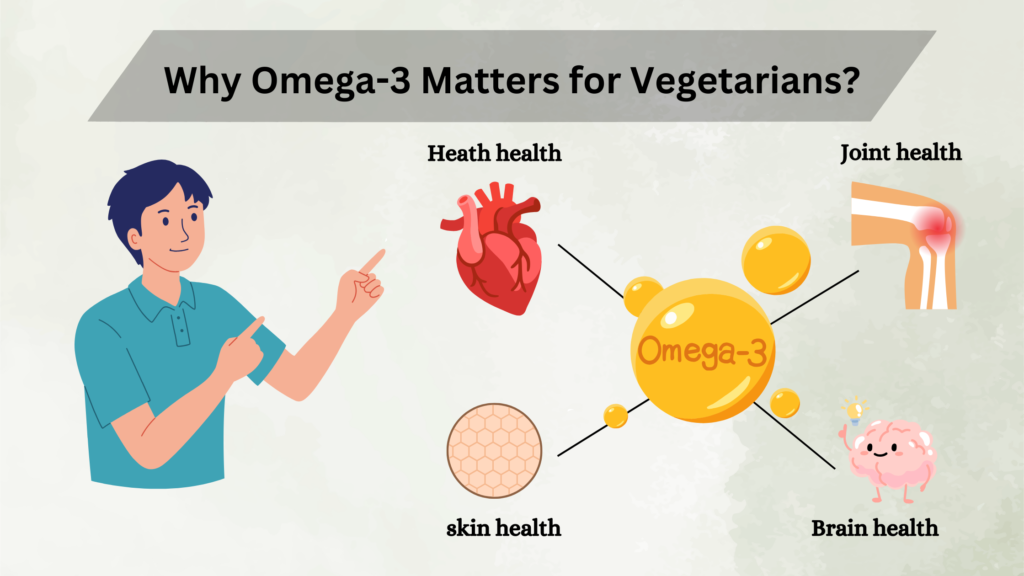
What’s the first thought that comes to your mind after listening to the word Omega-3? Is it something related to fish? Being a non-vegetarian it’s easy to fulfill daily Omega-3 requirements but, if you are a vegetarian, you may often wonder whether you are getting enough Omega-3 in your diet. Omega-3 fatty acids are essential for brain health, heart function, and overall well-being.The lack of Omega-3 can lead to various health problems such as fatigue, dry skin, poor concentration, and joint pain. If you are feeling low on energy, it might be due to Omega-3 deficiency. Now, here’s the good news. There are plenty of vegetarian-friendly sources of Omega-3. This blog will help you explore the best Omega-3 for vegetarians source, deficiency signs, and how Omega-3 can benefit your health. 

As we discussed above, many people believe that the best sources of Omega-3 come from fish. This can make it challenging for vegetarians to meet their daily Omega-3 needs.

What is Omega-3 and Why is it Important? 

Omega-3 fatty acids are a type of essential fat that our body cannot produce on its own. What does it mean? This means we need to get them from our diet. Omega-3 is crucial for many bodily functions, including: 

  • Supporting brain health and cognitive function
  • Reducing inflammation in the body
  • Maintaining a healthy heart
  • Supporting eye health
  • Improving mood and mental well-being

How can you Identify Omega-3 Deficiency

Not getting enough Omega-3 can lead to several health issues. Some common signs of Omega-3 deficiency include: 

  • Dry and flaky skin 
  • Fatigue and low energy levels 
  • Poor concentration and memory problems 
  • Joint pain and stiffness  
  • Increased risk of heart disease
  • Mood swings and depression

If you notice any of these symptoms, it may be time to add more Omega-3 for vegetarians source to your meals. Below we have curated a list of a few Omega-3-rich vegetarian sources that will help you meet your daily requirements.

Best Omega-3 Vegetarian Sources

1. Chia Seeds

Chia seeds are one of the best sources of plant-based Omega-3 and are also considered a powerhouse of nutrients. Just one tablespoon of chia seeds provides a significant amount of Omega-3. 

2. Flaxseeds

Flaxseeds are another excellent source of Omega-3.  These can be consumed by sprinkling on salads, mixing them into smoothies, or baking them into muffins. 

3. Walnuts 

People often consume walnuts early in the morning. These are not only delicious but also rich in Omega-3. Eating a handful of walnuts daily can help meet daily Omega-3 requirements.

4. Soybeans and Tofu

Soybeans and tofu are rich in Omega-3, making them an excellent option for vegetarians. There are lots of tasty dishes that can be prepared at home and you may consume them easily.

5. Algae 

Algae is a rich, sustainable source of Omega-3 fatty acids, specifically DHA (docosahexaenoic acid) and EPA (eicosapentaenoic acid), which are essential for brain function, heart health, and reducing inflammation. Unlike fish oil, algae oil is vegan, eco-friendly, and free from ocean contaminants like mercury. 

Health Benefits of Omega-3 Fatty Acids

Omega-3 fatty acids are healthy fats that have multiple health benefits. These essential fats support heart health and offer many other health benefits such as:

1. Supports Heart Health and Reduces Stroke Risk

Several studies show that Omega-3 fatty acids can help lower the risk of cardiovascular diseases and strokes. Taking about 850 mg of EPA and DHA daily, along with 300 mg of natural vitamin E, can help prevent heart disease. Omega-3 can also lower triglyceride levels, reduce blood clotting, and regulate heart rhythms. 

2. Helps Prevent Coronary Artery Disease (CAD)

Omega-3 fatty acids found in fish oil help produce compounds like prostaglandins-3 and thromboxane-3, which prevent blood clots and improve circulation. This reduces the risk of clogged arteries and irregular heartbeats.

3. Lowers Blood Pressure

Omega-3 helps widen blood vessels, making it easier for blood to flow and reducing high blood pressure. However, in people without hypertension, Omega-3 do not significantly lower blood pressure.

4. Helps Ease Rheumatoid Arthritis Symptoms

Rheumatoid arthritis causes joint pain, swelling, and stiffness. Studies suggest that taking Omega-3 along with arthritis medications can help reduce pain and improve joint function.

5. Boosts Brain Health and Reduces Alzheimer’s Risk

Omega-3 fatty acids, especially DHA, are essential for brain function. They help improve memory and reduce the risk of Alzheimer’s disease by preventing the buildup of harmful plaques in the brain.

6. Protects Eye Health and Reduces Macular Degeneration Risk

Macular degeneration is one of the leading causes of vision loss. A diet rich in Omega-3 may lower the risk of developing this condition, though it may not reverse symptoms or prevent blindness entirely.

7. Helps Manage Blood Sugar Levels in Diabetes

Type 2 diabetes, which is common in overweight adults, can be managed with Omega-3. EPA fatty acids in fish oil help improve blood sugar control and overall health in diabetic patients.

8. Reduces Migraine Symptoms

Omega-3 contains EPA, which helps regulate prostaglandin levels and reduces serotonin secretion. This can lower platelet stickiness and improve blood flow in the brain, helping to ease migraine symptoms.

9. Helps with Asthma Symptoms

Omega-3 reduces leukotrienes, substances that cause inflammation in the lungs. Regular consumption of Omega-3-rich foods may help people with asthma breathe more easily.

10. Reduces Risk of Chronic Diseases

Omega-3 fatty acids have strong anti-inflammatory effects that may lower the risk of chronic diseases such as arthritis and certain types of cancer.

How to Include Omega-3 into Your Diet

Getting enough Omega-3 as a vegetarian is simple. You just have to make small changes in your diet. Here are some easy ways to include Omega-3 in your meals:

  • Firstly, add chia seeds or flaxseeds to your smoothies, yogurt, or oatmeal.
  • Snack on a handful of walnuts.
  • Use hemp seeds in salads and soups.
  • Cook with Omega-3-rich oils such as flaxseed oil or walnut oil.
  • Consider taking algal oil supplements if you are not getting enough Omega-3 from food. You can search for a reputed brand that offers quality natural supplements such as Rasayanam which is a well-known brand that offers natural Omega-3 capsules.

Some Commonly Asked Questions About Omega-3 for Vegetarians

1. Is it possible for vegetarians to get Omega-3 from food alone?
If we talk about only food, then it may not be possible to get enough Omega 3. Therefore we need supplements.

2. Do I need an Omega-3 supplement if I am vegetarian?
If you are not getting enough Omega-3 from food, you may consider taking algal oil supplements. There are many brands in the market. You can check their authenticity and buy from them.

3. How much Omega-3 do I need daily?
It is recommended that adults consume about 1.1 to 1.6 grams of Omega-3 per day.

4. Are plant-based Omega-3 sources as good as fish sources?
Plant-based Omega-3 sources provide ALA (Alpha-linolenic acid), which the body converts into DHA and EPA, though at a lower rate. Algal oil is the best plant-based alternative to fish oil.

5. Can Omega-3 help with weight loss?
Omega-3 may support weight loss by improving metabolism and reducing inflammation.

Conclusion

Omega-3 is essential for overall health, and vegetarians can easily meet their needs with the right food choices. The foods have been discussed in the blog Including these foods in your diet can help prevent Omega-3 deficiency and provide numerous health benefits. If you struggle to get enough from food, Omega-3 supplements like Rasayanam Omega-3 capsules extracted from algal oil can be a great option.

Start adding more Omega-3-rich foods to your diet today and enjoy the benefits of a healthier life!

Reference link:

https://www.ahajournals.org/doi/10.1161/circulationaha.114.015176#:~:text=Beneficial%20Effects%20of%20Omega%2D3%20Fatty%20Acids%20on%20the%20Heart,-Several%20studies%20have&text=In%201%20study%2C%20the%20risk,those%20who%20consumed%20no%20fish.&text=Similarly%2C%20ALA%20consumption%20has%20also,triglyceride%20levels%20decreased%20by%204%25.&text=This%20suggests%20that%20consuming%20omega,which%20can%20improve%20heart%20health.

Omega-3 for Vegetarians: Best Vegan Sources, Deficiency Signs, and uses Read More »

Scroll to Top