Introduction
Are you concerned about your recent diagnosis of grade 1 fatty liver? You’re not alone. Millions of people worldwide struggle with fatty liver disease, but the good news is that grade 1 fatty liver is the mildest form and completely reversible with proper care. This comprehensive guide will explain what grade 1 fatty liver means, explore both non alcoholic fatty liver and alcoholic fatty liver causes, and provide you with proven fatty liver treatment strategies to restore your liver health quickly.
Whether you’re dealing with alcoholic liver disease or non-alcoholic fatty liver disease (NAFLD), understanding your condition is the first step toward recovery. By the end of this article, you’ll have a clear roadmap for how to reduce fatty liver quickly and prevent progression to more serious conditions like alcoholic hepatitis.
What is Grade 1 Fatty Liver?
Understanding Fatty Liver Grades
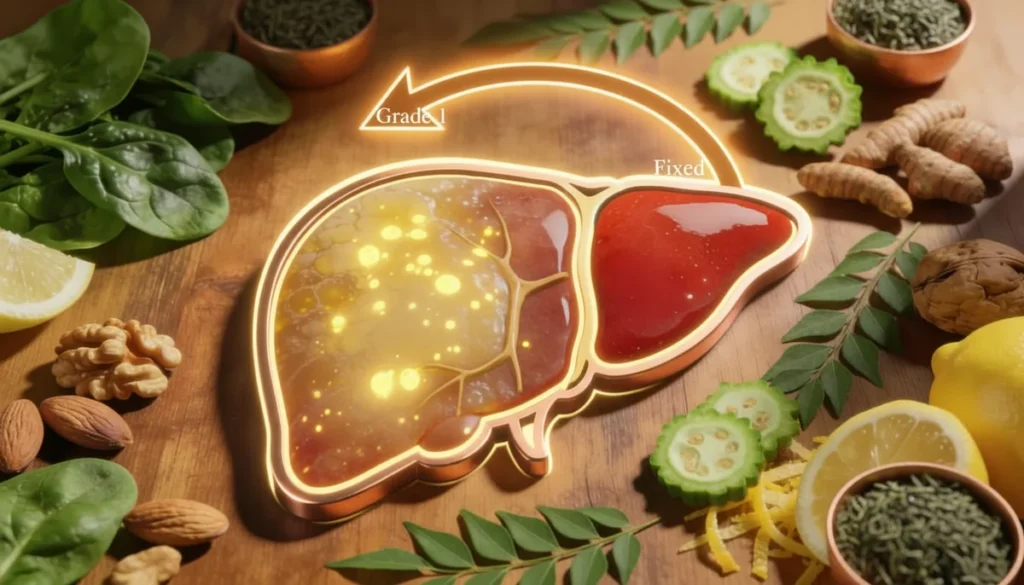
Grade 1 fatty liver, also known as mild hepatic steatosis, occurs when 5-33% of liver cells contain fat deposits. This is the earliest and most treatable stage of fatty liver disease. Unlike advanced stages, grade 1 fatty liver typically shows no symptoms and can be completely reversed with appropriate lifestyle modifications.
The liver naturally contains some fat, but problems arise when fat accumulates beyond normal levels. In grade 1 fatty liver, the fat infiltration is minimal, making it an ideal time to intervene and prevent progression to grades 2 and 3, which carry higher risks of liver damage.
Types of Grade 1 Fatty Liver
Non Alcoholic Fatty Liver Disease (NAFLD) Non alcoholic fatty liver affects people who consume little to no alcohol. This condition is strongly linked to metabolic syndrome, diabetes, obesity, and insulin resistance. NAFLD has become increasingly common due to sedentary lifestyles and processed food consumption.
Alcoholic Fatty Liver Disease Alcoholic fatty liver develops from excessive alcohol consumption over time. Even moderate drinking can contribute to fat accumulation in susceptible individuals. This type often progresses faster than NAFLD and can lead to alcoholic hepatitis if left untreated.
Causes and Risk Factors
Non Alcoholic Fatty Liver Disease (NAFLD) Non alcoholic fatty liver affects people who consume little to no alcohol. This condition is strongly linked to metabolic syndrome, diabetes, obesity, and insulin resistance. NAFLD has become increasingly common due to sedentary lifestyles and processed food consumption.
Alcoholic Fatty Liver Disease Alcoholic fatty liver develops from excessive alcohol consumption over time. Even moderate drinking can contribute to fat accumulation in susceptible individuals. This type often progresses faster than NAFLD and can lead to alcoholic hepatitis if left untreated.
How to Reduce Fatty Liver Quickly: Proven Treatment Strategies
Regular physical activity is crucial to reduce fatty liver quickly, as studies show that even modest exercise can significantly decrease liver fat content within weeks. The most effective approach combines cardiovascular exercise (150 minutes of moderate-intensity cardio weekly), resistance training (2-3 sessions per week focusing on major muscle groups), high-intensity interval training (2-3 sessions weekly for maximum fat burning), and daily walking of at least 8,000-10,000 steps.
For overweight individuals, losing 7-10% of body weight can dramatically improve grade 1 fatty liver, but rapid weight loss can worsen the condition, so aim for 1-2 pounds per week by creating a moderate calorie deficit of 500-750 calories daily, focusing on nutrient-dense whole foods, practicing portion control, staying hydrated with 8-10 glasses of water daily, and tracking progress with regular check-ups.
Medical Treatments and Interventions
When to Seek Professional Help
While grade 1 fatty liver often improves with lifestyle changes, certain situations require medical intervention:
- Persistent elevated liver enzymes after 3-6 months of lifestyle changes
- Signs of progression to alcoholic hepatitis
- Concurrent diabetes or metabolic syndrome
- Family history of liver disease
Medications and Supplements
Currently, no specific medications are approved by drug regulatory authorities specifically for treating fatty liver disease. However, doctors may prescribe medications to manage underlying conditions that contribute to liver fat accumulation. For non alcoholic fatty liver cases, physicians commonly prescribe metformin to improve insulin resistance, statins to manage high cholesterol levels, and blood pressure medications when hypertension is present. In alcoholic fatty liver situations, treatment often includes thiamine (Vitamin B1) supplementation to prevent neurological complications, folic acid and other B vitamins to support liver function, and sometimes milk thistle under medical supervision for its potential hepatoprotective properties.
Monitoring Progress
Regular monitoring helps track your fatty liver treatment progress:
- Liver function tests every 3-6 months
- Imaging studies (ultrasound or MRI) as recommended
- Body weight and waist circumference measurements
- Blood sugar and lipid panels
Prevention and Long-Term Management
Preventing Progression to Advanced Stages
The key to preventing grade 1 fatty liver from advancing to more serious conditions like alcoholic hepatitis lies in consistent lifestyle management:
Long-Term Success Strategies:
- Maintain a healthy weight through balanced nutrition
- Stay physically active with regular exercise routines
- Limit alcohol consumption or abstain completely
- Manage stress through relaxation techniques
- Get adequate sleep (7-9 hours nightly)
Building Sustainable Habits
Creating lasting change requires developing sustainable habits rather than temporary fixes. Start with small, manageable changes and gradually build upon them. Consider working with healthcare professionals, including dietitians and personal trainers, to develop personalized strategies.
Lifestyle Integration Tips:
- Meal prep on weekends for healthier weekday choices
- Find physical activities you enjoy to maintain consistency
- Create a support system of family and friends
- Set realistic, measurable goals with timelines
- Celebrate small victories along your journey
Ready to take control of your liver health? Explore Rasayanam Liver detox now!
Conclusion
Grade 1 fatty liver represents an opportunity rather than a setback. As the mildest form of fatty liver disease, it responds exceptionally well to targeted fatty liver treatment approaches. Whether you’re dealing with non alcoholic fatty liver or alcoholic fatty liver, the combination of dietary modifications, regular exercise, and lifestyle changes can effectively reverse this condition.
The key to how to reduce fatty liver quickly lies in consistency and commitment to healthy habits. By following the evidence-based strategies outlined in this guide, you can expect to see improvements in liver function within 3-6 months. Remember that preventing progression to more serious conditions like alcoholic hepatitis starts with taking action today.
Your liver has remarkable regenerative abilities, and grade 1 fatty liver is completely reversible with proper care. Start implementing these changes gradually, monitor your progress with regular medical check-ups, and celebrate each milestone on your journey to optimal liver health.
Frequently Asked Questions
1. How long does it take to reverse grade 1 fatty liver?
With consistent lifestyle changes, most people see improvement in liver function tests within 3-6 months. Complete reversal typically occurs within 6-12 months of maintaining healthy habits.
2. Can grade 1 fatty liver progress to cirrhosis?
Yes, if left untreated, grade 1 fatty liver can progress through grades 2 and 3, potentially leading to fibrosis and cirrhosis. However, with proper treatment, this progression is preventable.
3. Is grade 1 fatty liver the same as alcoholic hepatitis?
No, grade 1 fatty liver is much milder than alcoholic hepatitis. Alcoholic hepatitis involves inflammation and can be life-threatening, while grade 1 fatty liver simply indicates mild fat accumulation.
4. What foods should I avoid with grade 1 fatty liver?
Avoid sugary drinks, refined carbohydrates, fried foods, processed meats, and alcohol. Focus on whole foods, lean proteins, and healthy fats instead.
5. Can supplements help treat grade 1 fatty liver?
While some supplements like milk thistle and omega-3 fatty acids show promise, they should complement, not replace, lifestyle modifications. Always consult your doctor before starting any supplements.
Disclaimer: This article is for informational purposes only and should not replace professional medical advice. Always consult with your healthcare provider before making significant changes to your diet, exercise routine, or treatment plan, especially if you have underlying health conditions.